

Wabi-sabi interior design celebrates imperfection, natural aging, and the quiet beauty of simplicity. In a world obsessed with flawless finishes and polished interiors, this Japanese philosophy invites us to slow down, appreciate authenticity, and find calm in what is worn, weathered, and imperfect.
For Singapore homes, where modern living often feels rushed and space is precious, wabi-sabi offers a refreshing way to reconnect with the home as a place of peace. Rather than chasing trends, it focuses on timeless materials, soft light, and emotional warmth — turning everyday spaces into places of quiet comfort.
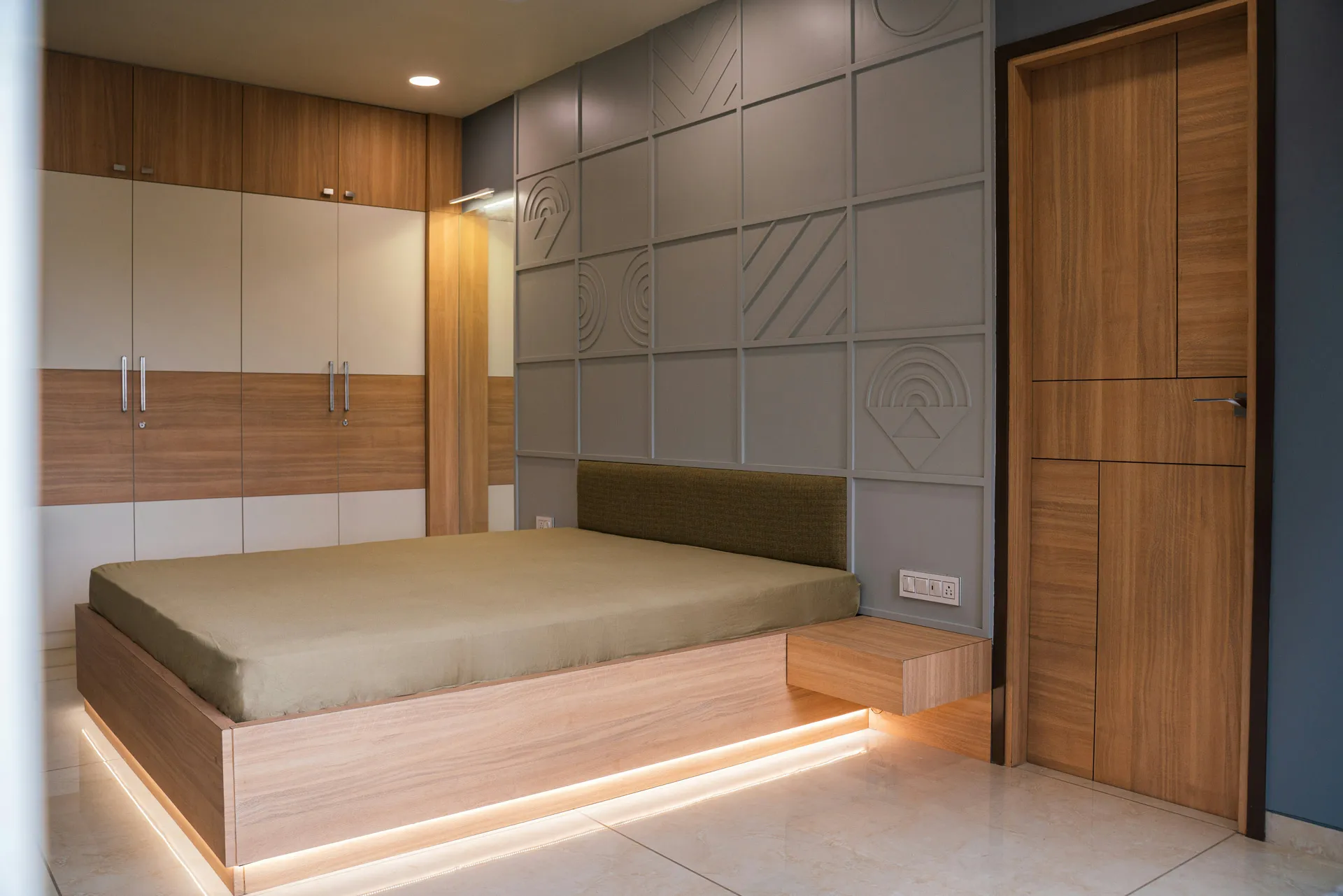
Wabi-Sabi finds its roots in Zen Buddhism and the tea ceremony traditions of 15th-century Japan. “Wabi” reflects humble simplicity and intentional restraint; “Sabi” represents the beauty that comes with time — the patina, the cracks, and the fading.
Together, Wabi-Sabi is a worldview that honors imperfection and the quiet poetry of time’s passage.
It is not about rusticity for its own sake, but about honesty — materials that wear with grace, furniture that tells a story, and spaces that breathe with character rather than control.
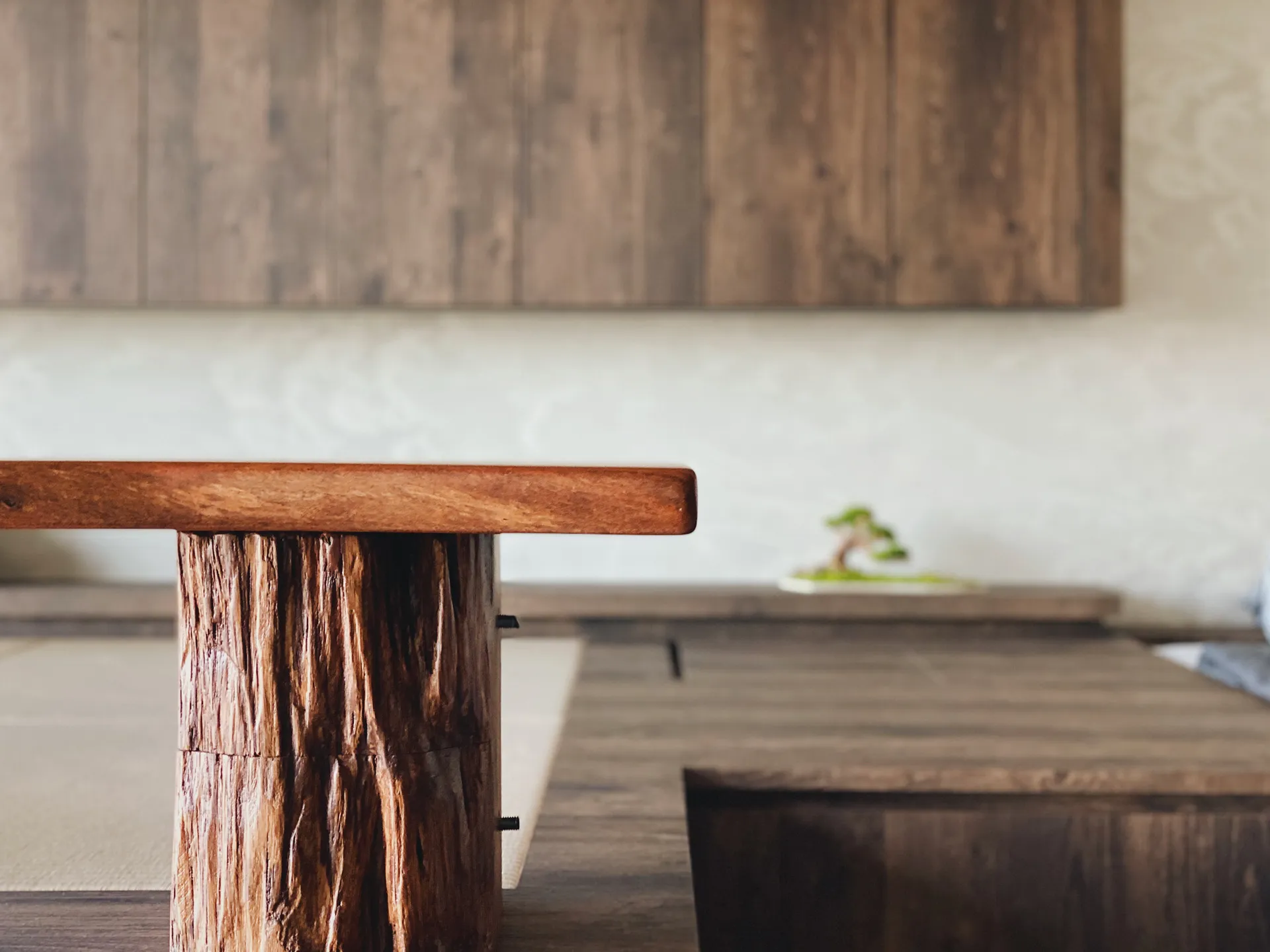
A Wabi-Sabi home doesn’t feel styled. It feels lived in — calm, soulful, and deeply personal.
For instance, for one of our projects at Parc Esta, instead of polished perfection, we chose:
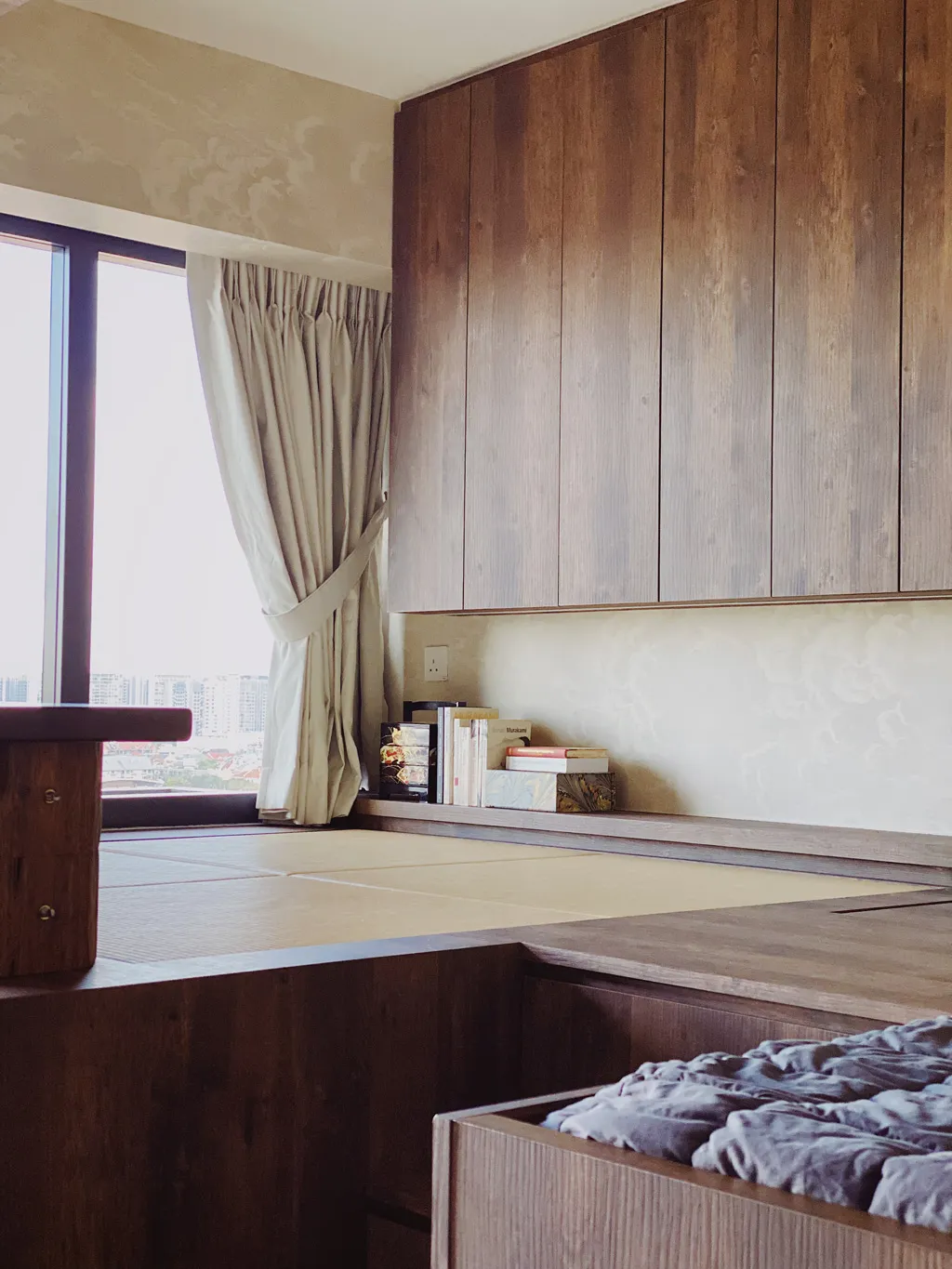
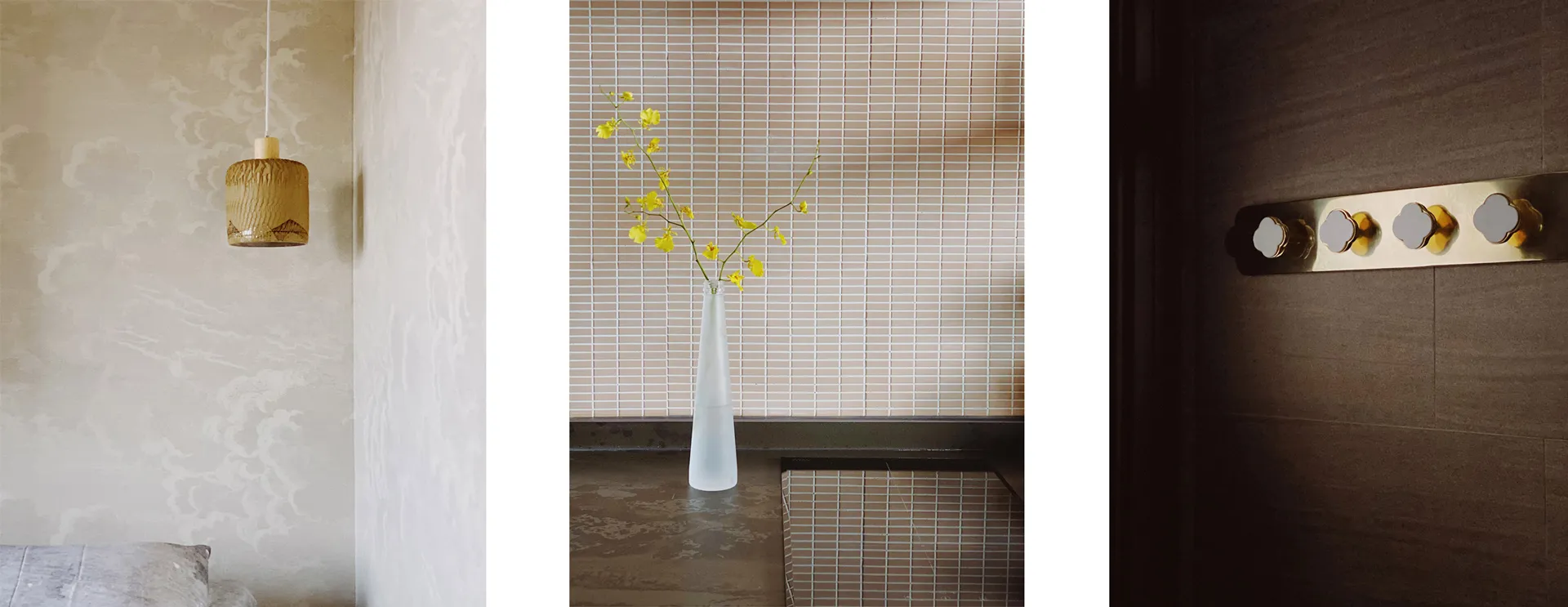
Textured surfaces — such as Consentino table tops with raw stone-like finishes, or laminates with natural wood grains that echo nature’s irregularities.
Muted tones — earthy browns, warm greys, mossy greens, and clay pinks.
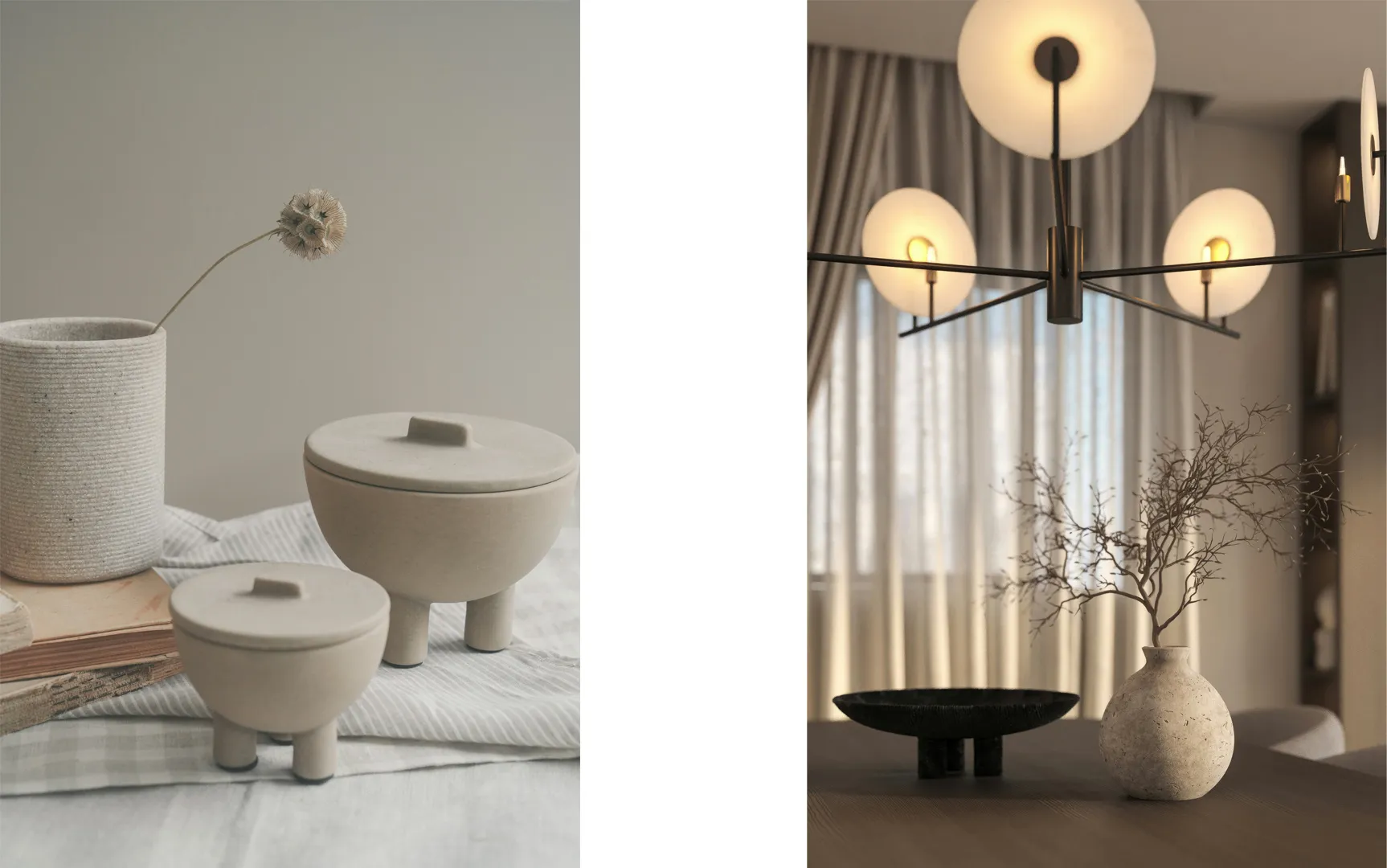
Natural materials — linen, rattan, ceramic, and reclaimed wood that change beautifully over time.
Though Singapore’s pace of life is far from Zen, Wabi-Sabi design helps us slow down and reconnect with presence.
Here are a few ideas to bring the philosophy into your home:
Look for hand-thrown pottery instead of machine-made perfection. For those interested in creating something personal, try The Potters’ Guild at Bedok South — a pottery studio where you can handcraft pieces that carry memory and meaning.
The art of kintsugi — repairing cracked ceramics with gold — embodies Wabi-Sabi’s essence. We once passed by a kintsugi workshop at Joo Chiat, and it reminded us how healing the act of mending can be.
Opt for textured paint finishes from Dulux that create subtle dimension on your walls. The brand’s Ambiance Textured series, for example, offers soft depth and organic movement — a lovely complement to Wabi-Sabi’s tactile aesthetic.
Use furnishings with simple silhouettes, unpolished finishes, and natural palettes. Brands like Island Living and Finnish Design Shop offer pieces that feel calm and unforced, aligning with the Wabi-Sabi mood.
Ultimately, Wabi-Sabi is more than a design style — it’s a way of seeing.
It invites you to accept imperfection, to let light fall differently every day, and to let your home evolve with you.
When your table bears scratches from gatherings, or your wall shows a faint mark of time — that’s Wabi-Sabi.
It’s not a flaw. It’s life, beautifully lived.
Check out our Hygge interior design ideas article too.