

Mid century interior design blends clean lines, organic forms, and functional beauty to create timeless, elegant homes in Singapore. Originating in the mid-20th century (roughly the 1940s–1960s), this style is defined by clean lines, organic shapes, and a balance between form and function. It continues to inspire contemporary homes, offering timeless appeal and effortless sophistication.
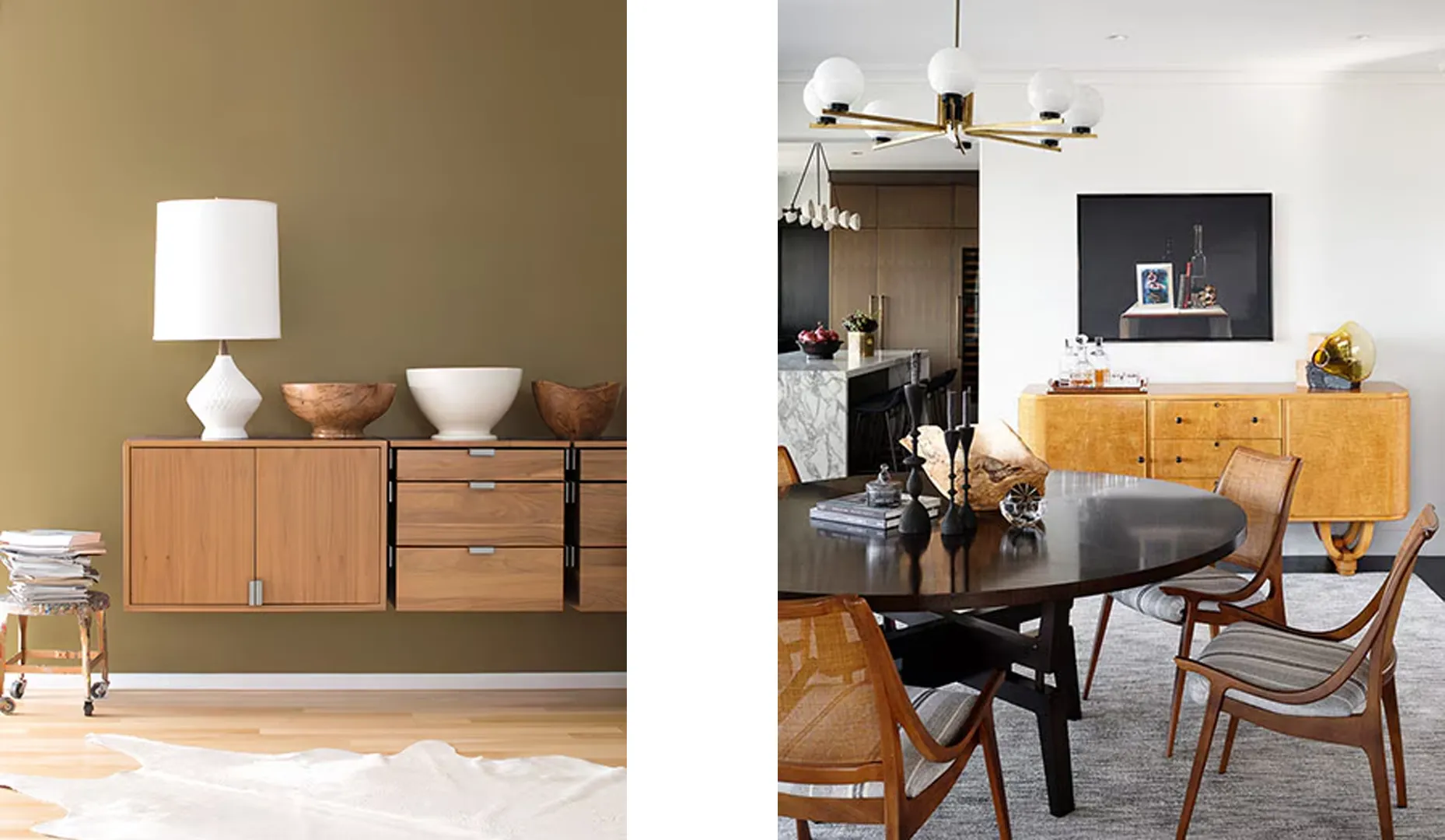
We often integrate Mid-Century elements into Singaporean residences, blending heritage with modern living. The style works beautifully in apartments and landed homes, providing spaces that are both practical and visually striking.
Key characteristics of Mid-Century interiors include:
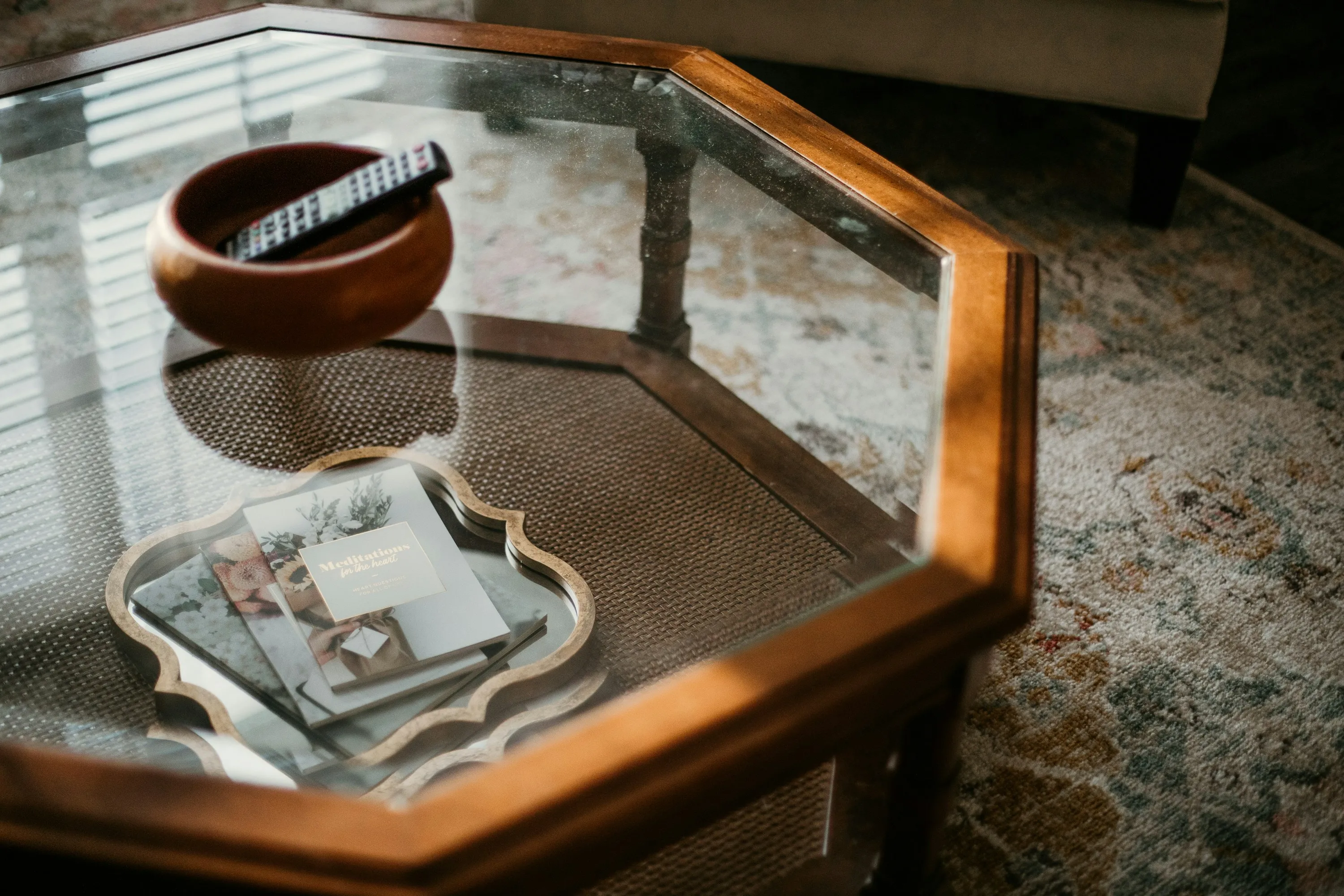
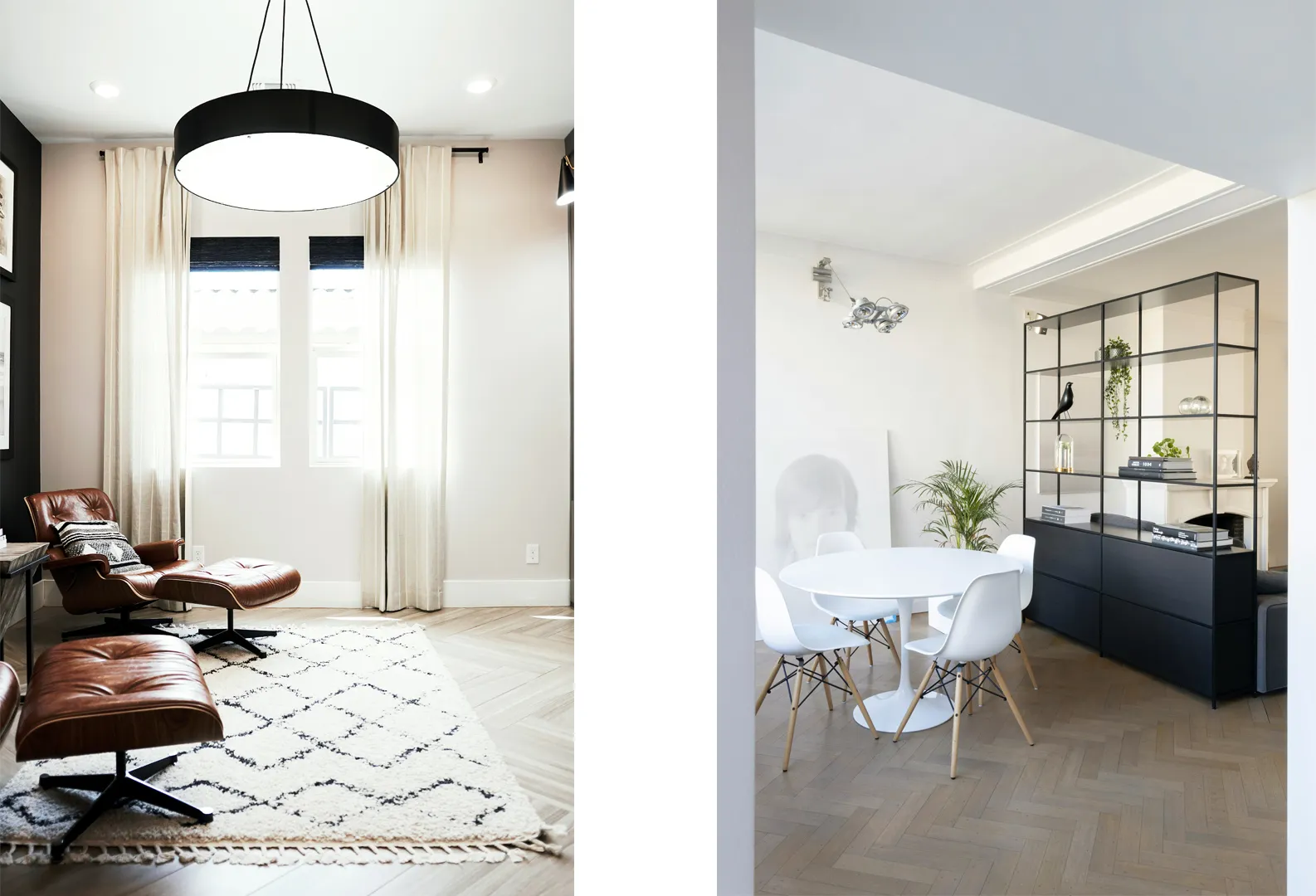
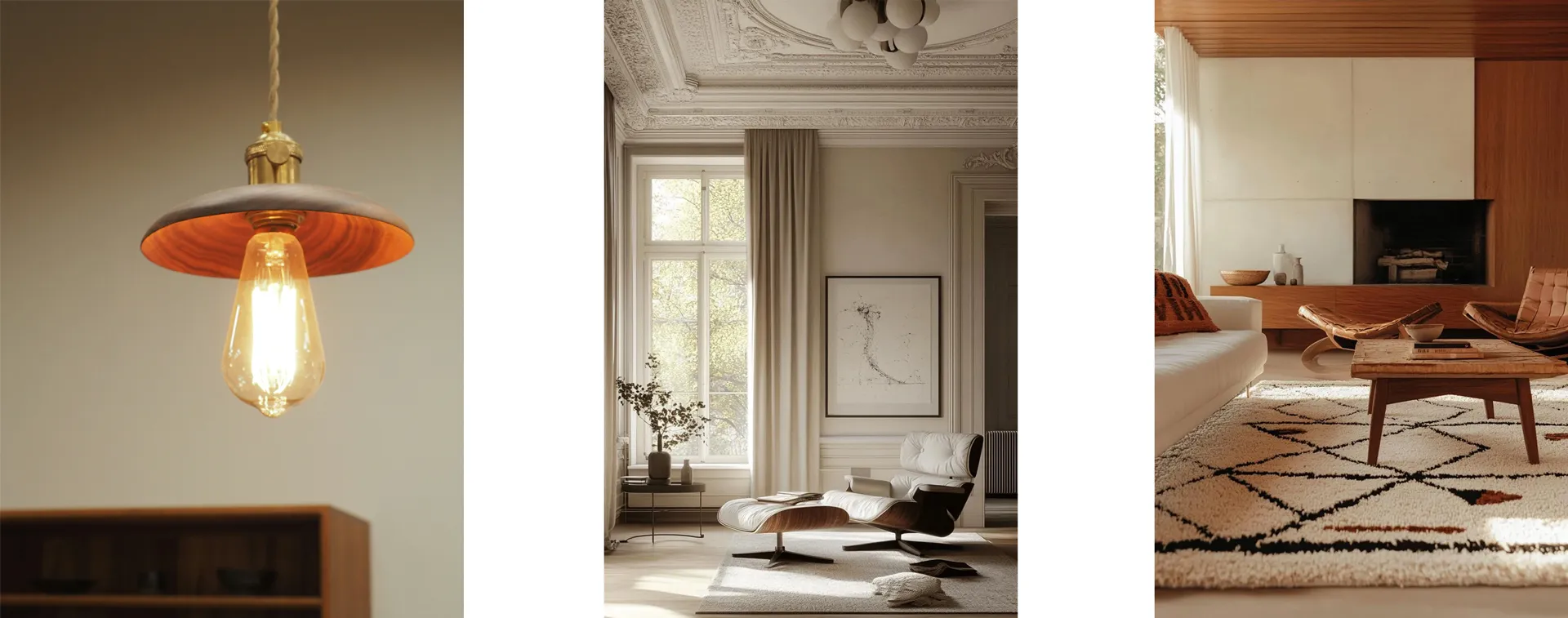
Signature pieces include the Eames Lounge Chair, the Tulip Table by Eero Saarinen, and the Wishbone Chair by Hans Wegner. These designs emphasize comfort, simplicity, and craftsmanship.
Natural materials – Wood (especially teak, walnut, and oak), leather, and metal create warmth and texture.
Functional layouts – Every piece serves a purpose, making spaces feel uncluttered and comfortable.
Color palette – Earthy neutrals, muted greens, warm browns, and soft creams, complemented by pops of color for interest. Benjamin Moore shades like Soft Fern, Revere Pewter, and Shaker Beige work beautifully.
Integration with nature – Large windows, indoor plants, and natural light connect interiors to the outdoors.
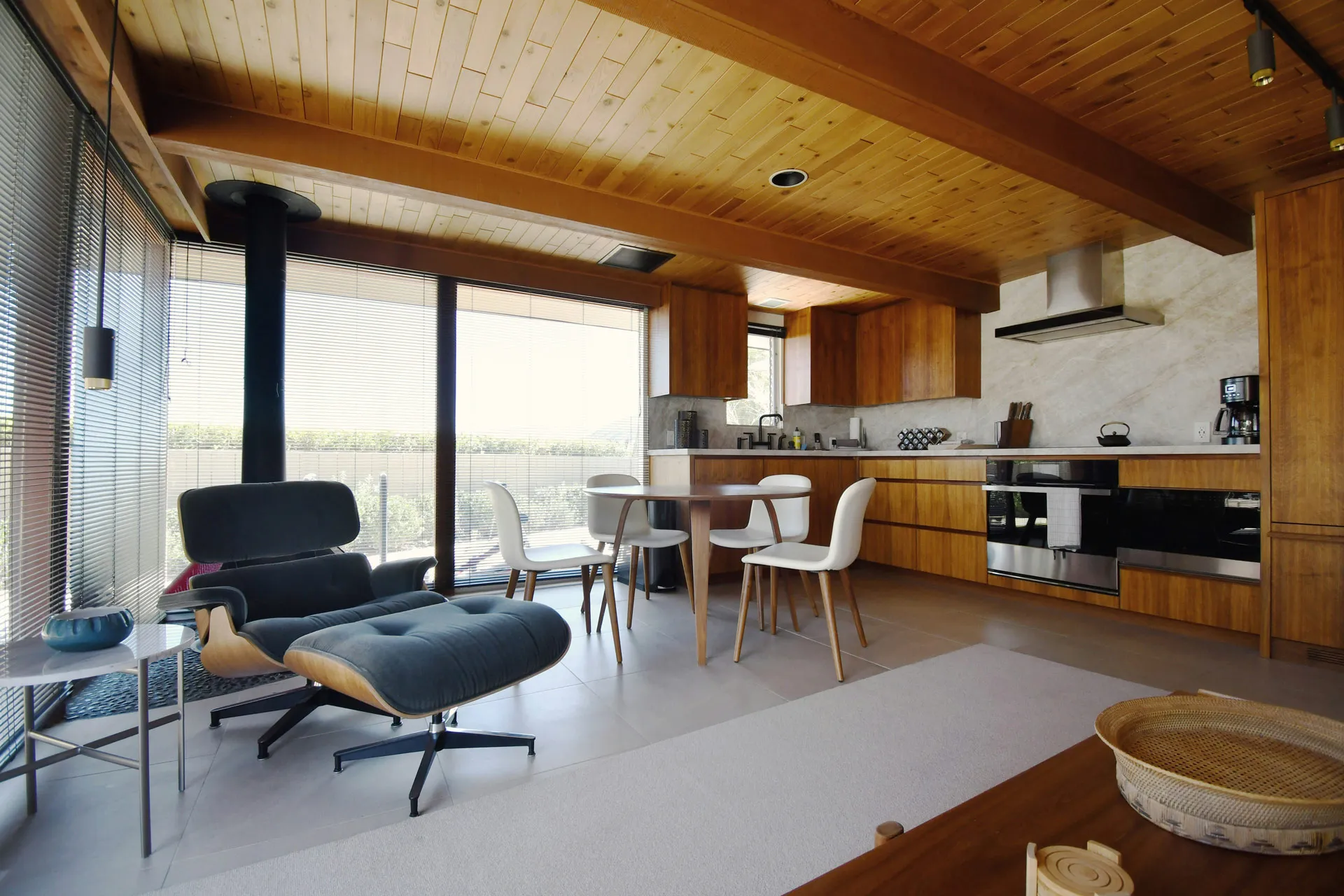
Singaporean furniture designers often draw inspiration from Mid-Century icons, interpreting the principles for our tropical context. The focus on clean lines, functionality, and natural materials fits local tastes: Singaporeans value practicality, understated elegance, and flexibility in small or high-rise spaces. Local furniture often carries Mid-Century influence, whether in teak craftsmanship, low-profile seating, or utilitarian layouts.
Furniture selection
Choose statement pieces like a low-slung sofa, an Eames Lounge Chair, or a Tulip Table-inspired dining set. For lighting, arc floor lamps from Finnish Design Store bring sculptural elegance and layered warmth to the home.
Mix materials
Combine wood, leather, and metal for depth and warmth. Wooden flooring, rattan accents, and leather seating complement Mid-Century aesthetics.
Play with colors
Base interiors on earthy Benjamin Moore tones such as Soft Fern, Revere Pewter, or Shaker Beige, adding pops of muted orange or olive green for energy.
Functional decor
Accessories should be minimal yet purposeful. Think sculptural ceramics, vintage clocks, or subtle artwork that complements the color palette without cluttering the space.

Photo credit: Decorilla
We love that designers like Eileen Gray, one of the 1920s Mid-Century pioneers and a woman in design, created pieces that are still relevant 100 years later. Some might think Mid-Century is “new,” but its history teaches us that ergonomics and function are timeless.
Mid-Century was about simplifying details and serving a function. Pieces were devoid of unnecessary ornamentation — steel, leather, and clean finishes were central. Think about how Vitra designs focus purely on functionality. This is why the style endures: it is practical, easy to clean, and adaptable to any space.
Even the Eames Lounge Chair is a testament to comfort and usability — a functional design that transcends trends. For us, Mid-Century should be understood as a timeline, not just an aesthetic. It shows how functional, well-thought-out design can last a century and still feel modern.
In Singapore, this is why Mid-Century works so well: it’s functional, timeless, and human-centered, whether in apartments, landed homes, or hybrid interiors mixing local craftsmanship and international influences. Check out our farmhouse interior design too.