

An office renovation is often seen as a design exercise, but it’s really much more than that. It’s a way to shape how people work, feel, and connect within your company. At Pivot, we’ve come to see office design as a physical extension of brand and culture. It’s how your values take shape in space.
When we worked with Context Interactive, a digital agency, they engaged us during the COVID-19 period with a simple but ambitious goal: to attract young employees and build a space where people could bond and collaborate. We reimagined their office to encourage casual interactions while maintaining focused work zones. Every design element, from the flexible furniture layout to the material palette, reflected their brand personality: modern, nimble, and people-first.
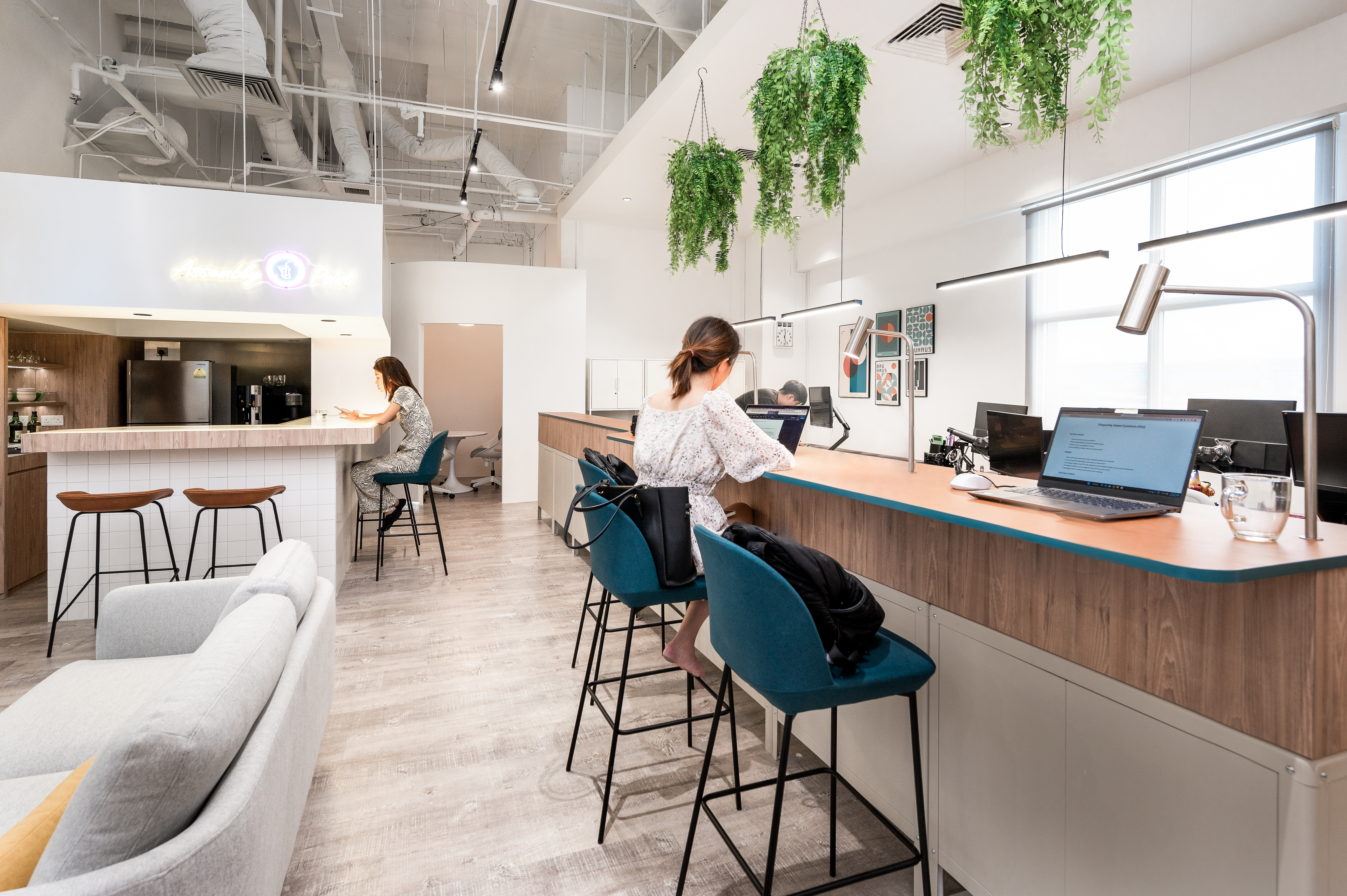
Before diving into layouts and furniture, it’s worth asking what you want your space to say about your company. Your office is often the first touchpoint for clients and new hires, a living reflection of your brand values.
For B2B brands, this is especially important. When a client walks into your office, the space should instill confidence and professionalism while still feeling warm and human.
Think about what you want people to feel when they enter. Calm and focused? Energized and creative? The answers will guide the materials, colors, and even the flow of the space.
Work styles have changed dramatically. Teams no longer just sit at fixed desks. They brainstorm, take digital meetings, have coffee chats, and need quiet corners for focus. A thoughtful office renovation creates different pockets of space for different modes of working.
Consider a mix of:
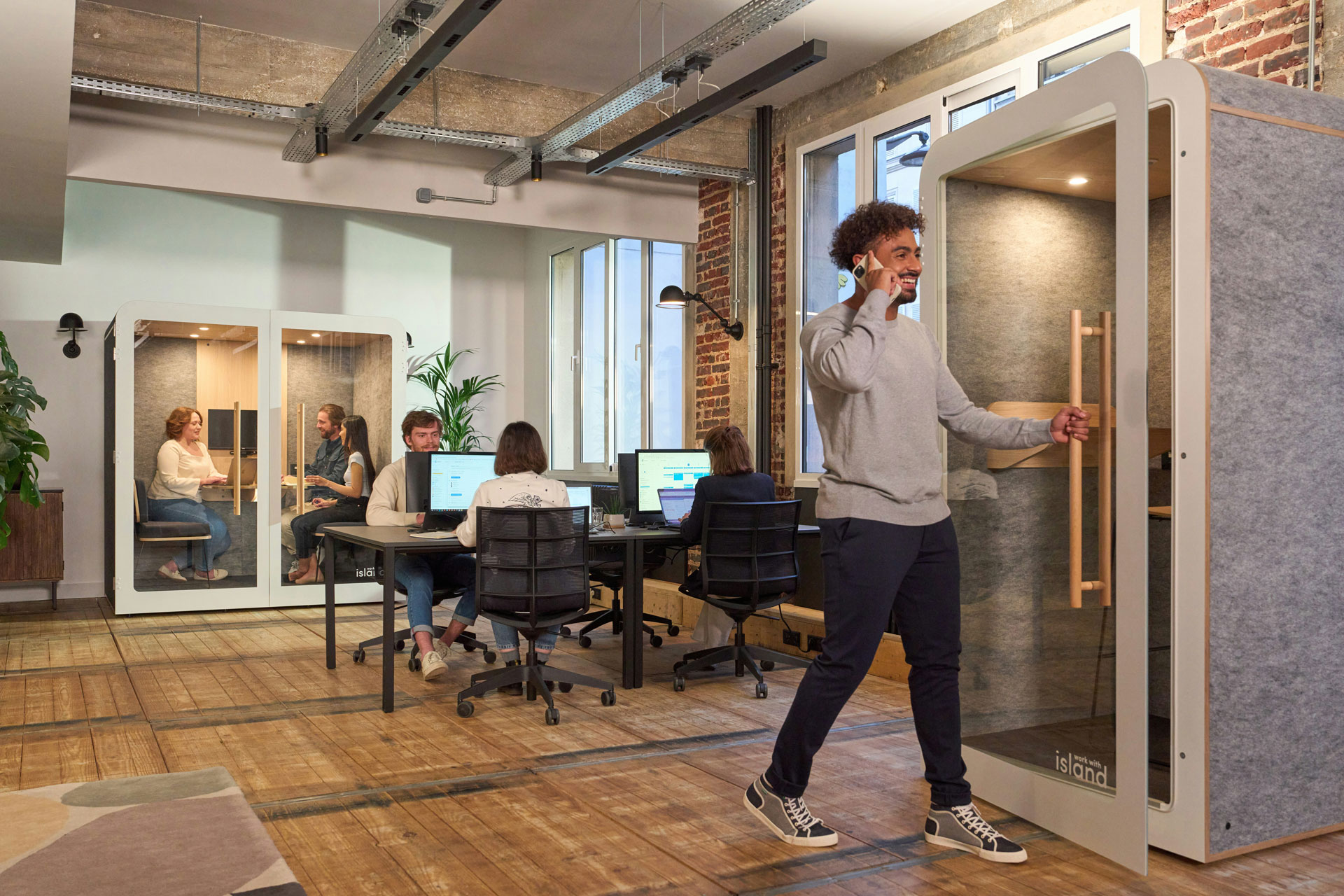
Having a variety of seating options also encourages people to move throughout the day, making the space feel more alive and less rigid.
In Singapore, many office leases run three to five years. It’s wise to balance renovation spending with how much lease you have left. You don’t always need an expensive overhaul to make a strong impact.
Some practical ways to stretch your renovation budget include:
A smart budget isn’t about cutting corners. It’s about knowing where to spend for the greatest effect.
Digital meetings are now part of daily work life, so having pods or enclosed rooms with proper acoustic treatment is invaluable. If your company creates digital content, such as podcasts or video materials, consider setting aside space that’s sound-insulated and equipped for that.
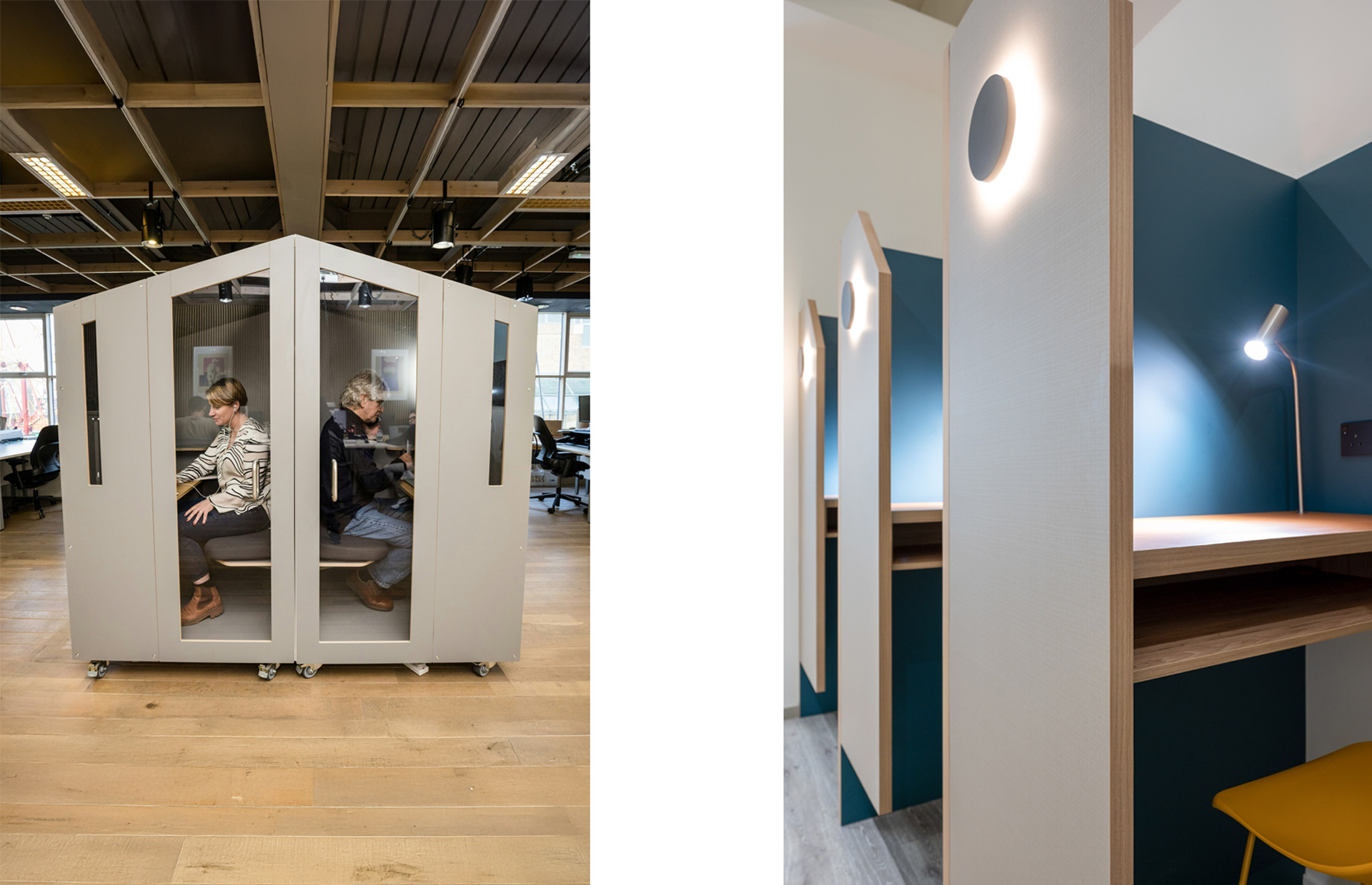
These setups don’t always need to be complex. Sometimes a simple corner with soft finishes and movable panels can do the trick.
At the heart of every office renovation is its people. Spaces that encourage comfort, collaboration, and care build stronger teams. The details like good lighting, a place for coffee, greenery, and even background music all contribute to the kind of culture you want to nurture.
When your space feels good, people feel good. And when people feel good, they do better work.
The best offices aren’t static. They evolve as your business grows. Leave room for flexibility with movable furniture, modular walls, or adjustable lighting. A space that can adapt will continue to feel fresh and relevant long after the renovation is done.
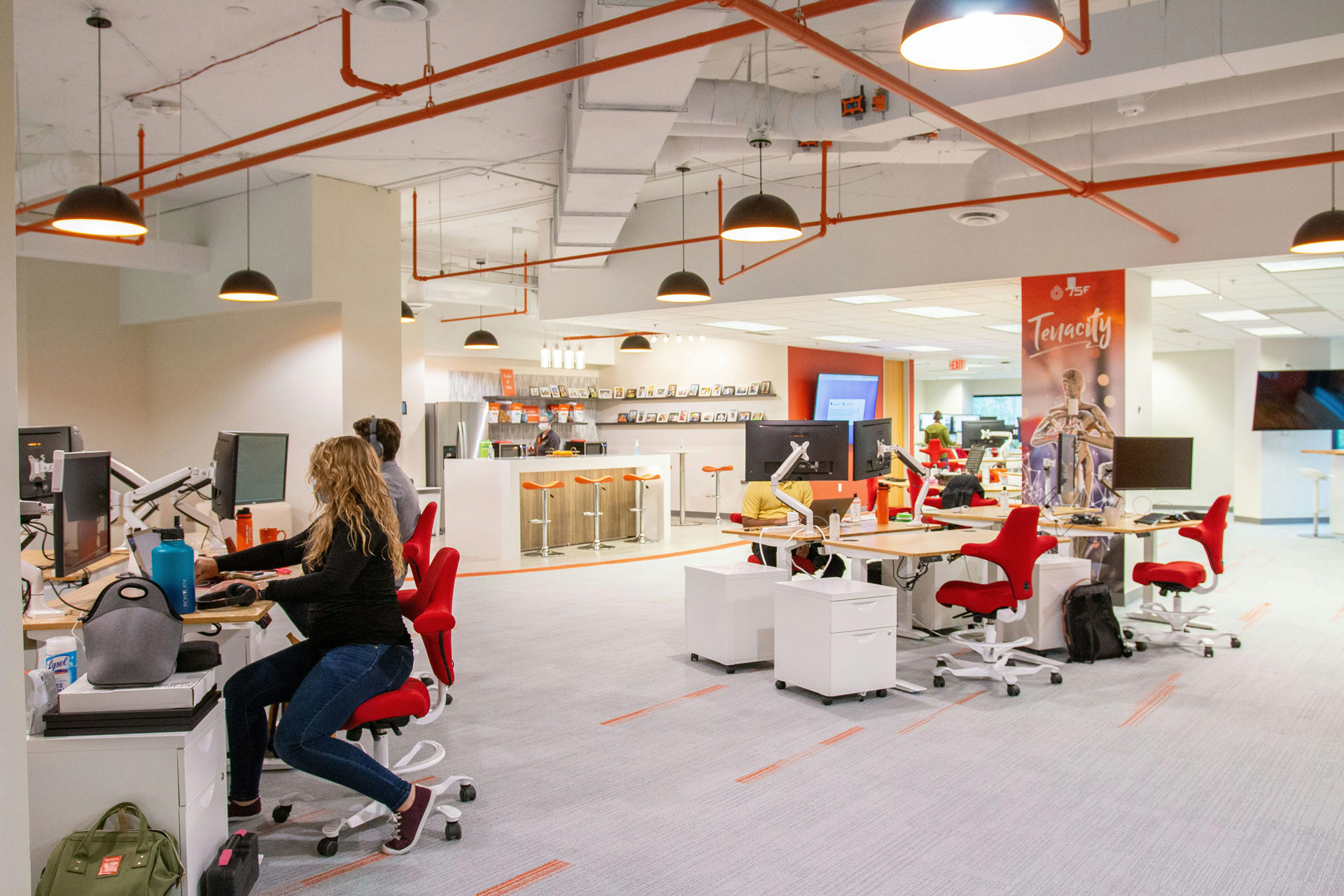
An office renovation is one of the most powerful ways to express who you are as a company. Done thoughtfully, it can attract the right people, impress your clients, and nurture a culture that lasts.
At Pivot, we’ve learned that it’s not about designing a perfect space, but about creating a living environment that reflects the rhythm of the brand and the people who bring it to life every day. Do check out our office design trends 2026 article too.