

Kitchen island ideas are essential when designing modern Singapore homes because space, function, and flow must work together. A kitchen island is not just an extra countertop — it becomes the heart of the home, supporting cooking, socialising, storage, and even work-from-home activities. When designed correctly, a kitchen island improves efficiency while keeping the home visually calm and organised.
In compact urban apartments as well as large private homes, the kitchen island acts as a bridge between the kitchen and living areas. It allows family members to interact while meals are prepared and creates a flexible surface that adapts to daily routines.
At its core, a kitchen island should be central, accessible, and versatile. It’s meant for transient use: dumping groceries, preparing quick breakfasts, baking, or serving as a landing spot for bags and items when you come home. The key is that nothing should remain permanently on the island, keeping it ready for whatever task arises next.
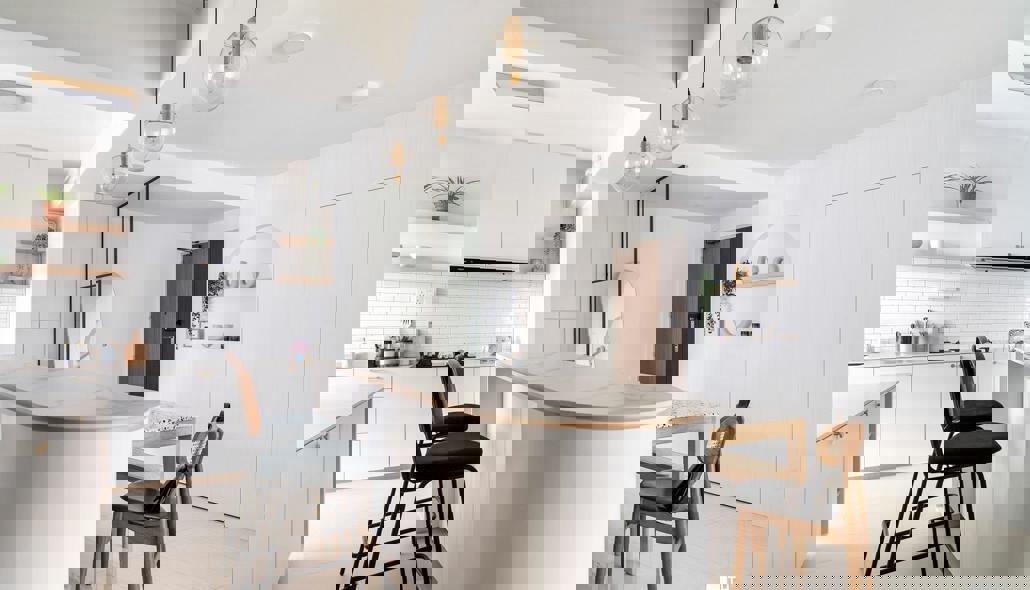
Some guiding principles for a functional kitchen island:
Clean and clutter-free – An island is a workspace, not storage. Keep it free for transient functions.
Multipurpose usability – It should accommodate breakfast prep, baking, or quick cooking tasks.
Power and connectivity – Include powerpoints for appliances like Thermomix, KitchenAid, blenders, or mixers.
Sufficient surface area – The tabletop should be large enough for rolling dough, baking, or prepping multiple dishes at once.
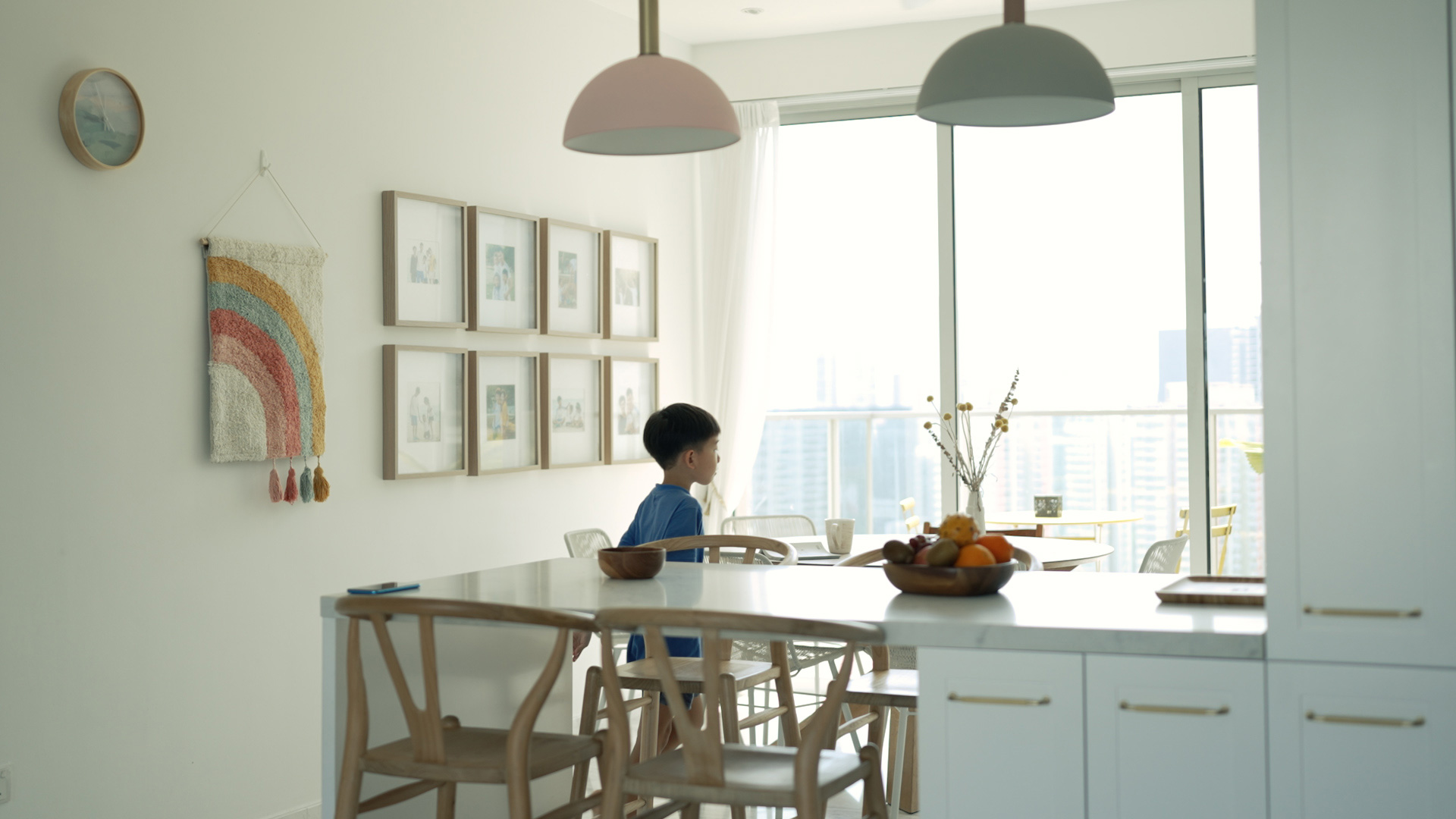
In our Sky 11 project, we designed three islands, each serving a distinct purpose:
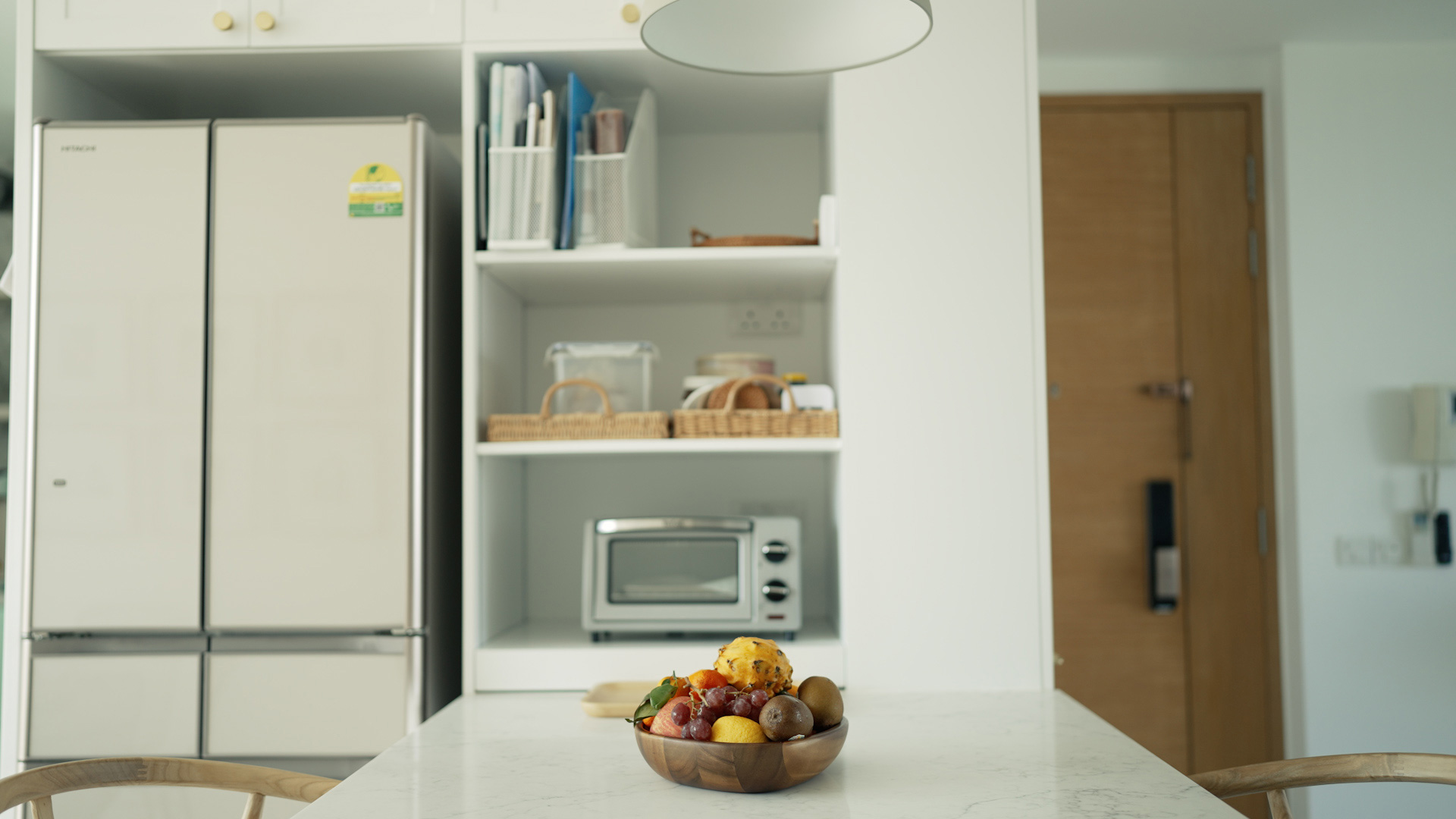
Positioned near the entrance for transient tasks: bags, groceries, or quick breakfasts.
Keeps clutter away from the main kitchen while maintaining easy access for family members heading out.
Equipped with a sink for washing fruits, cleaning coffee mugs, and preparing secondary meals.
Separates the main cooking area from children or guests, ensuring safety and hygiene.
Stores guest cutlery and plates for easy entertaining.
Designed for baking and heavy prep work close to the wet kitchen.
Also functions as a folding station for laundry and additional prep space.
Integrates a large surface area and storage to support messy tasks without cluttering the main kitchen.
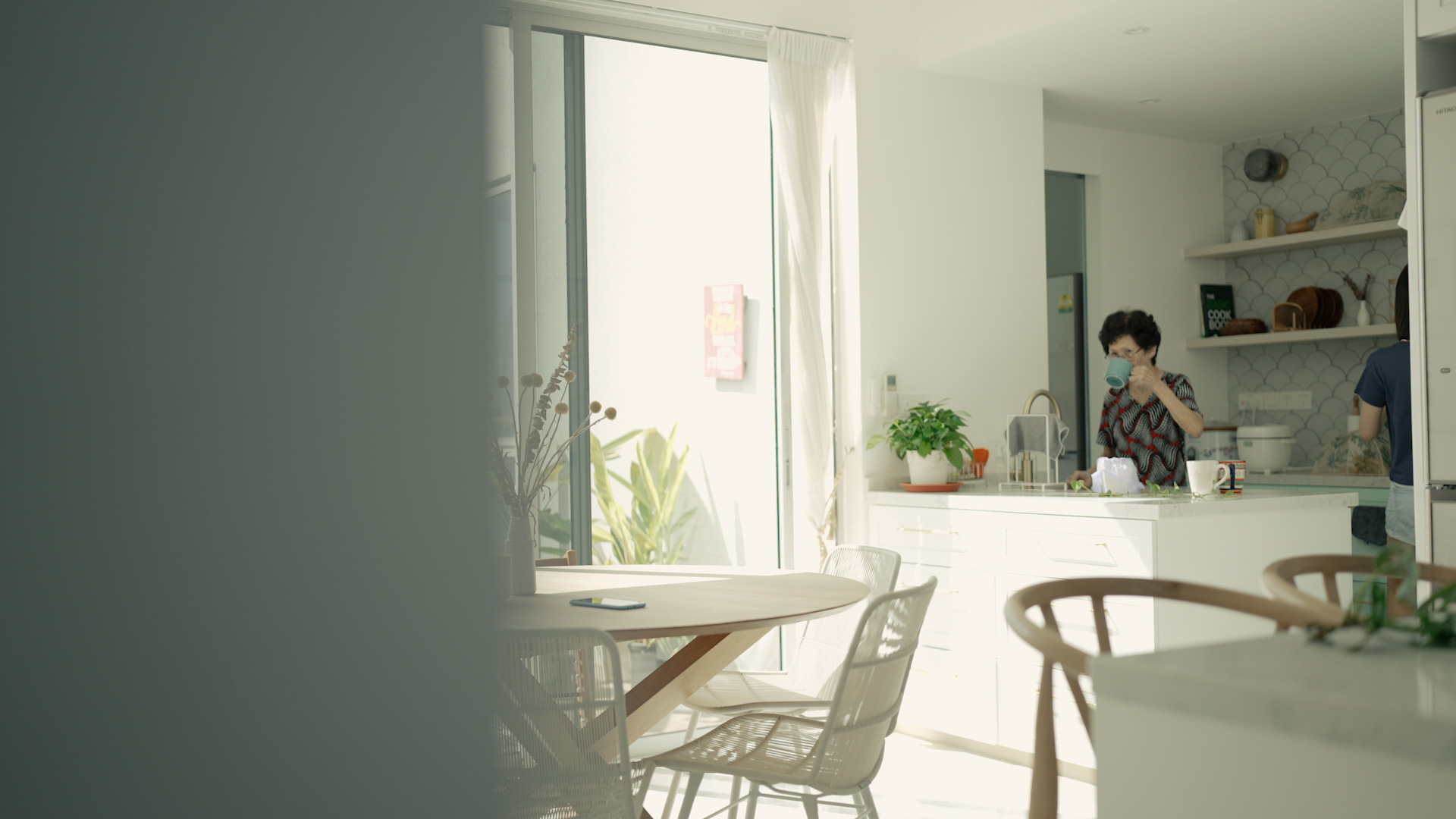
Placement is key – Central positioning allows the island to act as a natural transition between spaces: living, kitchen, and entry.
Keep surfaces open – Avoid permanent clutter; use the island as a temporary landing spot.
Incorporate power points – Essential for modern kitchen appliances, from mixers to food processors.
Consider multiple islands – For larger homes, dedicated islands can separate functions: one for entry/landing, one for prep, and one for baking or secondary tasks.
Durable materials – Choose easy-to-clean surfaces like quartz, marble, or treated timber that withstand daily wear and tear.
Storage smartly – Under-island drawers or cabinets can store appliances and utensils, keeping the countertop clear.
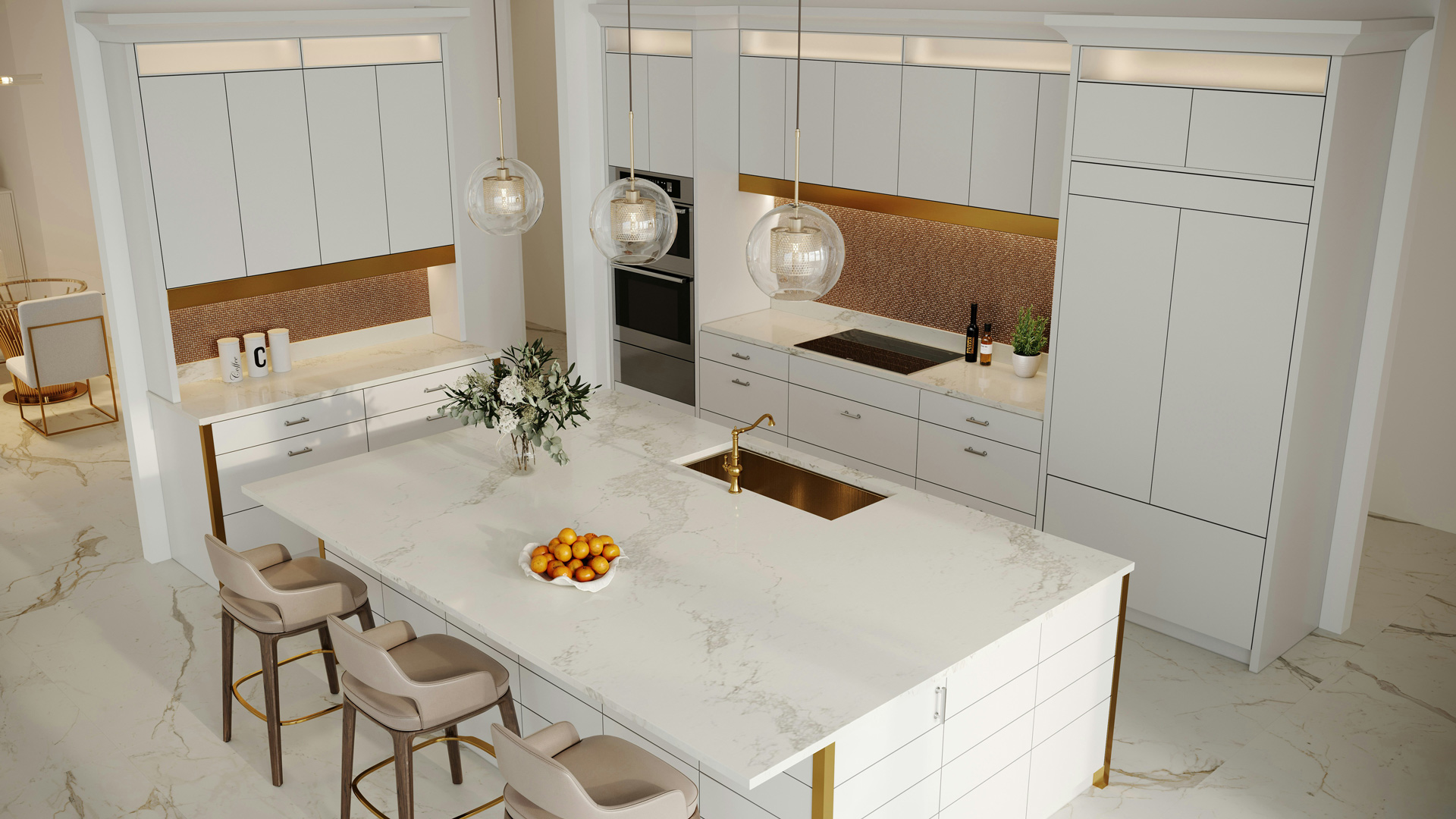
Kitchen islands create efficiency, flow, and functionality in homes where space is precious. They allow multiple activities to happen simultaneously without clutter or disruption. From handling groceries to baking or folding laundry, a thoughtfully designed island adapts to the rhythms of daily life.
The Sky 11 project demonstrates how multipurpose islands can elevate both function and design—blending practicality, social interaction, and a visually clean aesthetic for modern living.