

Peranakan interior design celebrates Singapore’s rich multicultural heritage, combining Chinese, Malay, and European influences. Characterized by vibrant colours, patterned tiles, and intricate ceramics, it’s a style that tells a story of tradition, identity, and cultural fusion.
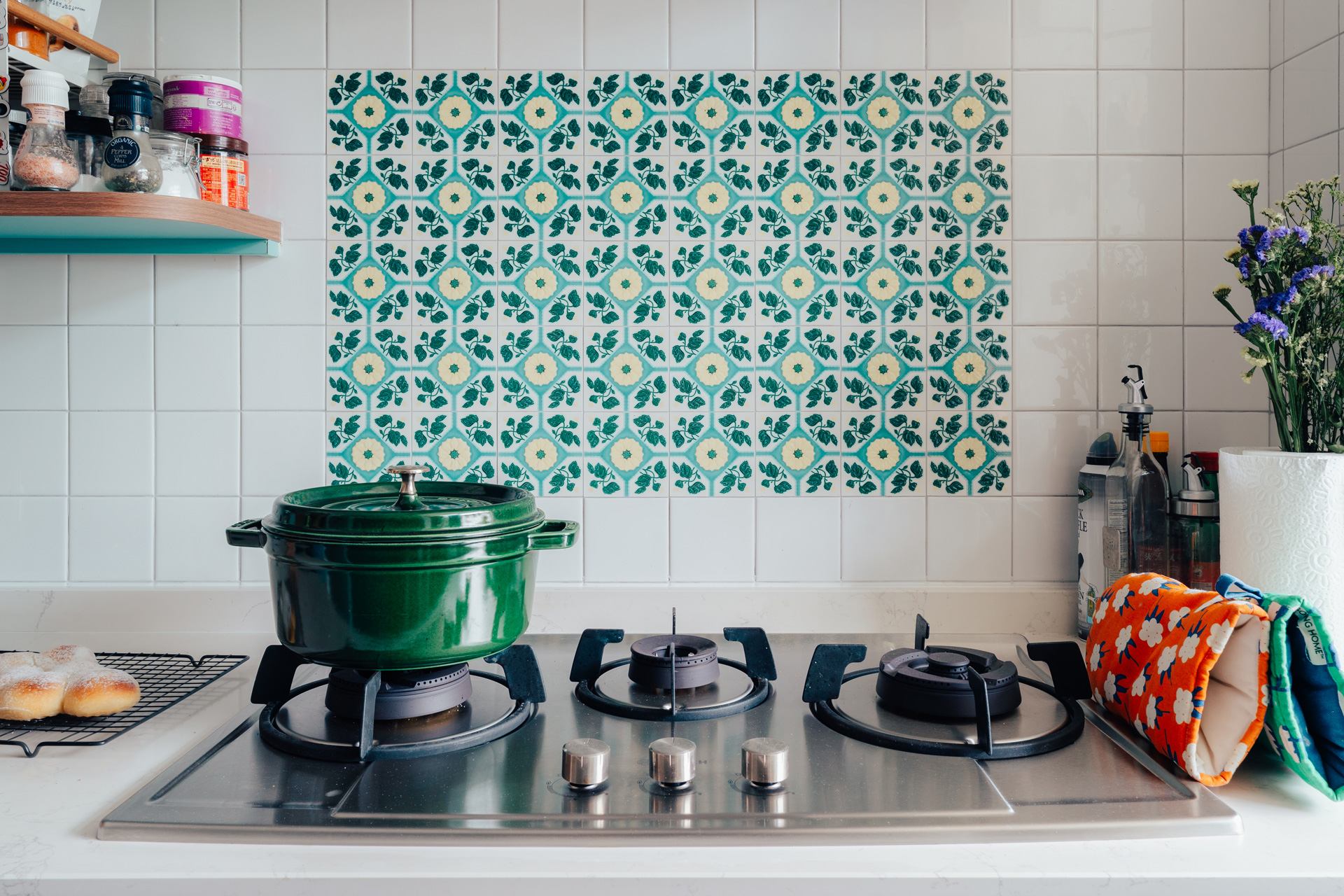
At Pivot, we love interpreting Peranakan heritage in a way that feels modern, functional, and personal — not heavy or overly ornate. One of our projects, at Tiong Bahru, exemplifies this approach. The owner wanted to incorporate Peranakan elements without committing to tiling the entire home. By applying Peranakan-inspired tiles and motifs selectively, we created playful yet subtle highlights that give the space character without overwhelming it.
Peranakan design is about colour, pattern, and craft, but it also tells a deeper cultural story. Key features include:
Ceramics and pottery – Traditional Peranakan plates, vases, or jars bring texture, heritage, and storytelling into a space. Peranakan ceramics are known for their intricate patterns and skillful execution.
Tiles – Bold geometric or floral tiles in strategic locations create visual interest. Interestingly, many Peranakan tiles were historically made by Japanese artisans, combining cross-cultural craftsmanship. Today, places like An Huat produce Peranakan tiles in-house, which is very special for homeowners seeking authentic pieces.
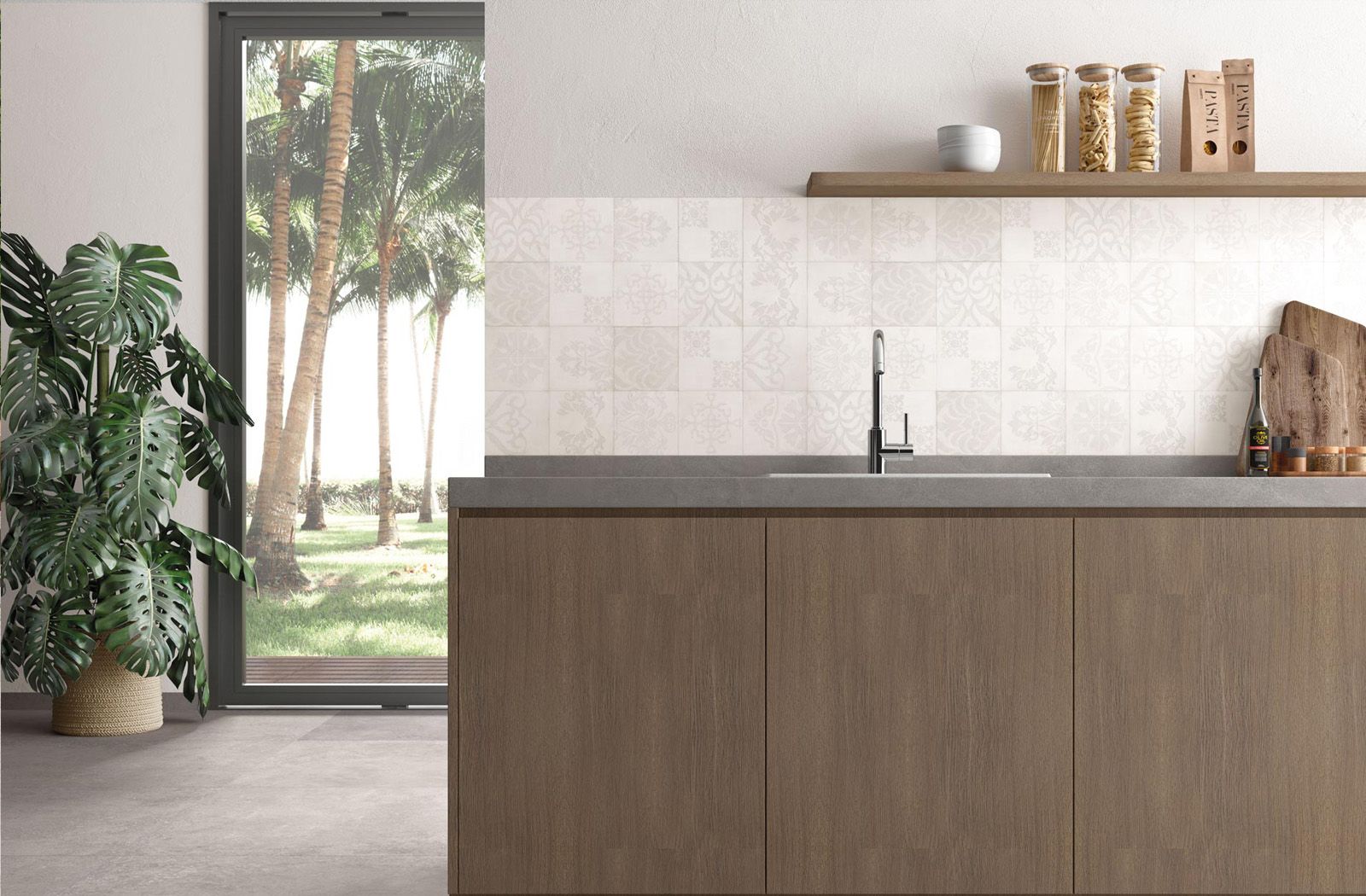
Photo Credit : Hafary
Colour palette – Inspired by Peranakan ceramics: yellows, pinks, turquoises, and greens can be applied subtly in furniture, cushions, or soft finishes. These colours reflect the vibrancy of Peranakan culture, which itself is a mix of heritage and innovation.
Textiles and soft finishes – Sources such as Onlewo offer Peranakan-inspired fabrics and wallpapers suitable for contemporary interiors. Botanical wallpaper from DeGournay or Cole & Sons can be layered with Peranakan-inspired tiles or backsplashes for a creative twist.
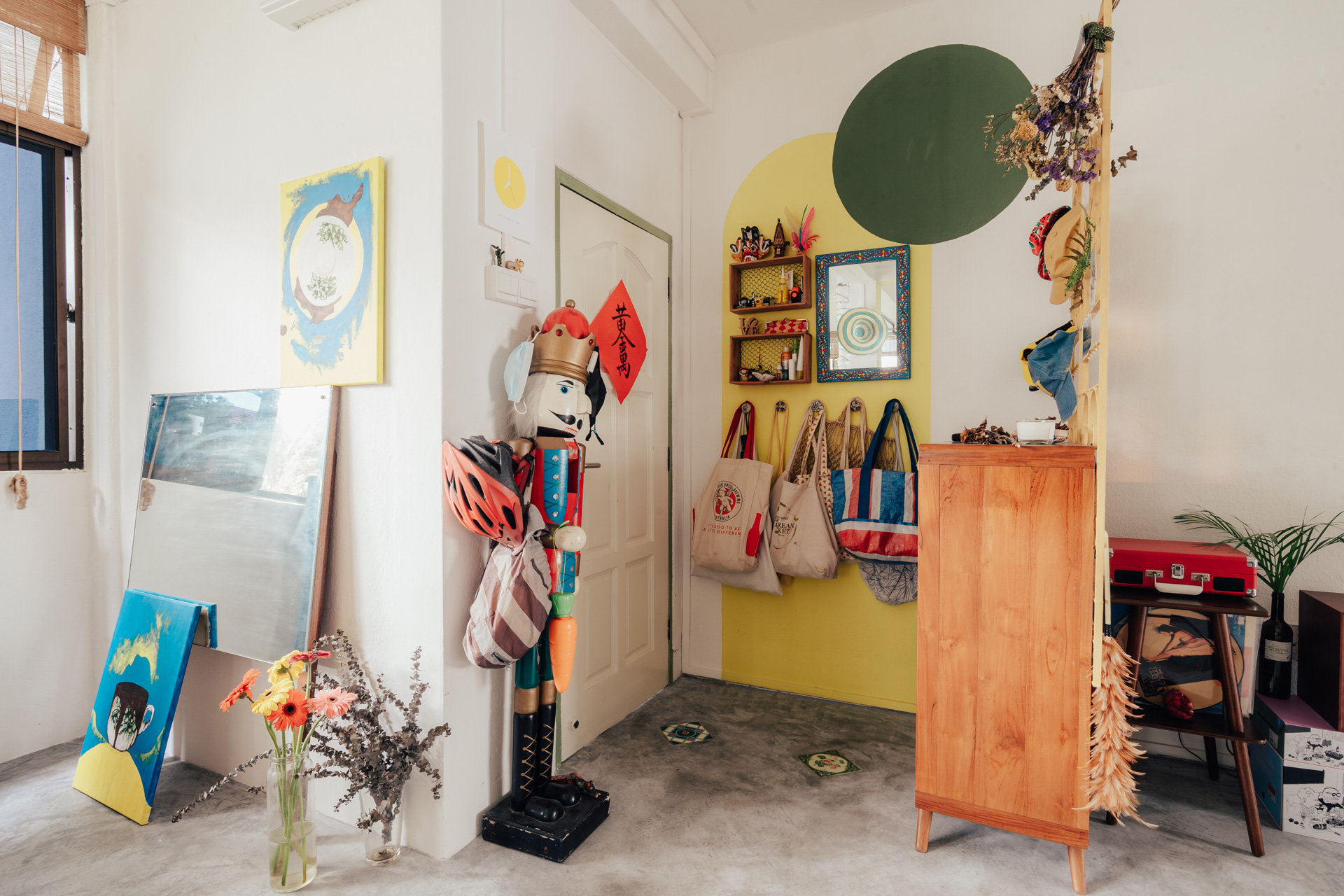
The challenge of Peranakan interiors is honoring heritage while keeping the space fresh and contemporary. Here’s how we approach it:
Selective application of patterns
Use Peranakan tiles or patterns as accents — in kitchen backsplashes, bathroom walls, or hallway niches. This respects tradition without overwhelming the space.
Modern materials and finishes
Mix Peranakan motifs with sleek, muted surfaces or light wood tones to create a modern, airy feel. Avoid over-ornamentation that can make a home feel heavy.
Colour as inspiration
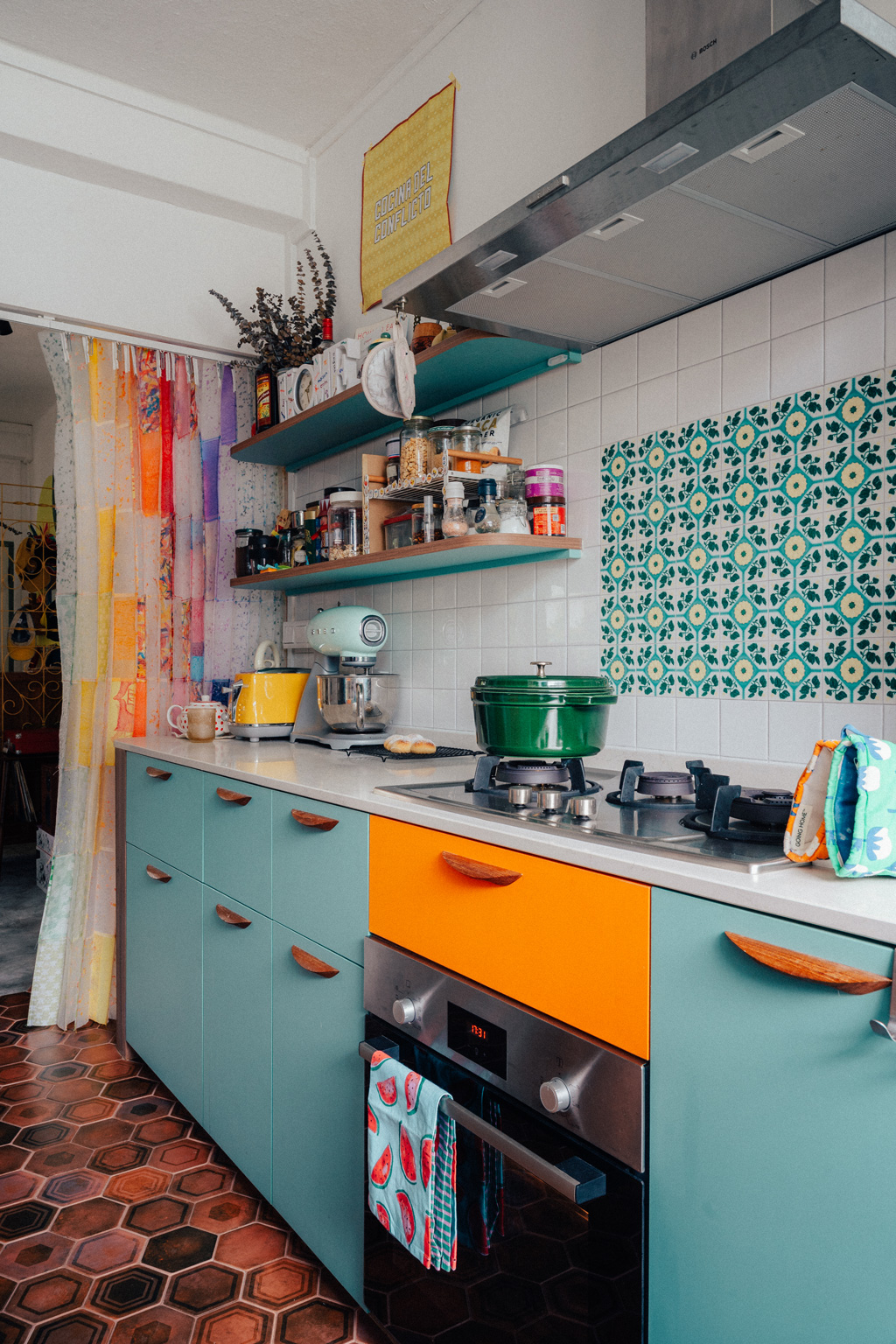
Highlight small areas using shades inspired by Peranakan ceramics. Turquoise cushions, blush pink cabinets, or mustard yellow décor bring warmth and vibrancy without dominating the room.
Curated decorative pieces
Incorporate ceramics, framed tiles, or other Peranakan craftwork as art objects. A personal touch — like a plate passed down through generations — makes the space truly yours.
Peranakan heritage is a rich, layered culture — one that fascinates us beyond just tiles and colours. Some interesting points we like to highlight:
Food as inspiration – Peranakan culture is intricate and complex, much like its cuisine. We see this same richness in architecture, spices, textures, and craft.
Malacca – The birthplace of many Peranakan traditions, full of colour, history, and craftsmanship.
Mishmash of cultures – Historically, Peranakans were foreigners marrying local women, creating a fusion of cultures. This heritage inspires playful combinations of colour, pattern, and material.
Pattern-on-pattern mastery – Peranakan design is daring and intricate: tiles, carvings, florals, birds, lace — layered thoughtfully, it feels familiar yet exciting.
Tropical influence – As a Southeast Asian culture, Peranakan interiors embrace tropical vibrancy, making it suitable for Singapore’s climate.
Museums and heritage sites – The Singaporean Peranakan Museum is a must-visit; our founder Keith discovered his nanny was Peranakan there. It’s a rich source of inspiration for pattern, colour, and storytelling.
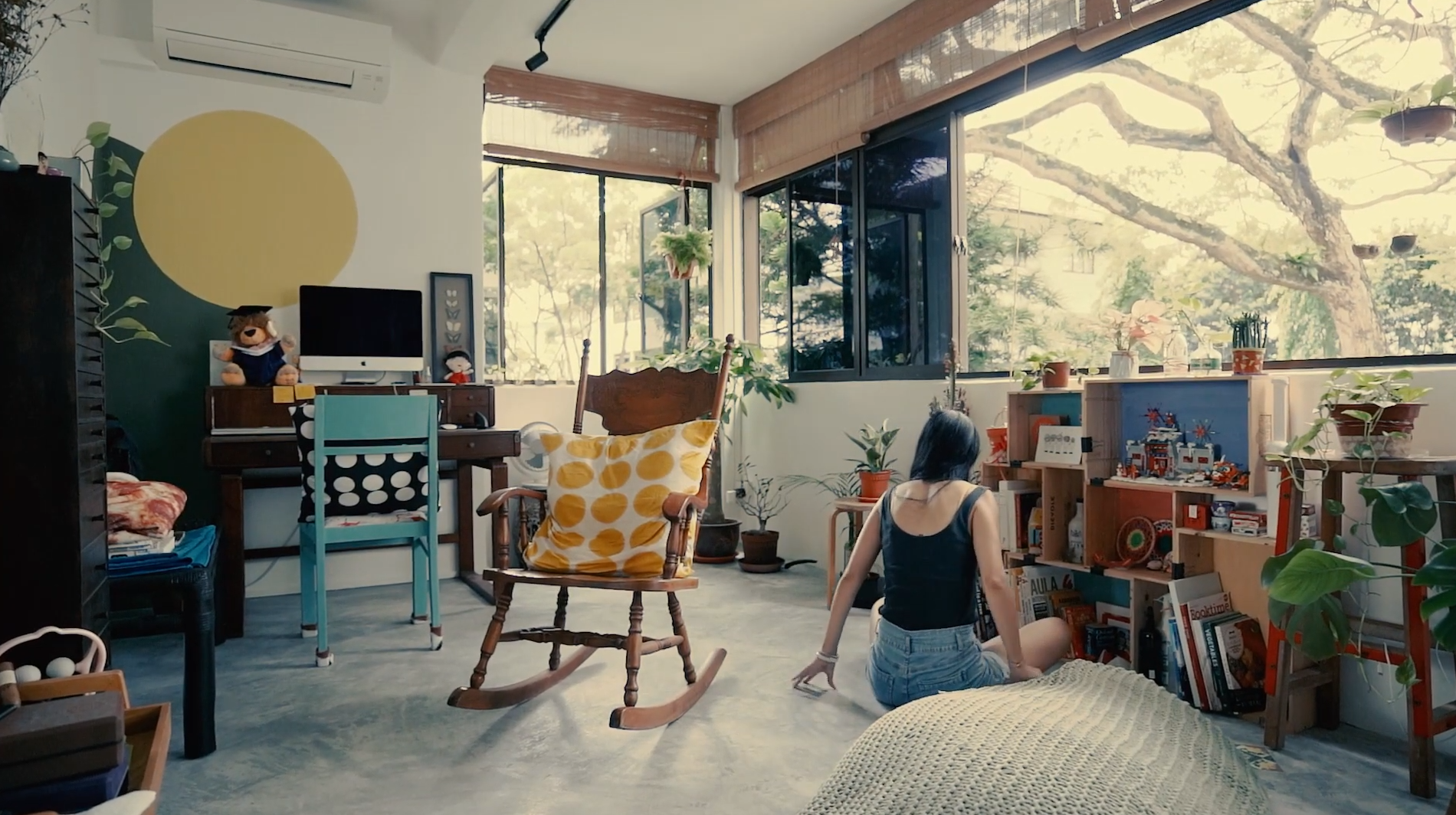
Peranakan heritage is uniquely Singaporean — a style that evokes history, culture, and identity. A modern Peranakan interior celebrates these traditions while creating spaces that are practical, contemporary, and personal.
By layering patterns, colours, and textures, combining curated antiques with modern finishes, and daring to mix floral, bird, lace, and ceramic motifs, you can achieve a home that is playful, elegant, and distinctly yours.
For homeowners looking for authentic sourcing:
An Huat – Peranakan tiles made in-house
Onlewo – Peranakan-inspired fabrics and wallpapers
DeGournay / Cole & Sons – Botanical wallpapers that can mix creatively with Peranakan motifs
Singapore Peranakan Museum – Inspiration for patterns, textiles, and storytelling
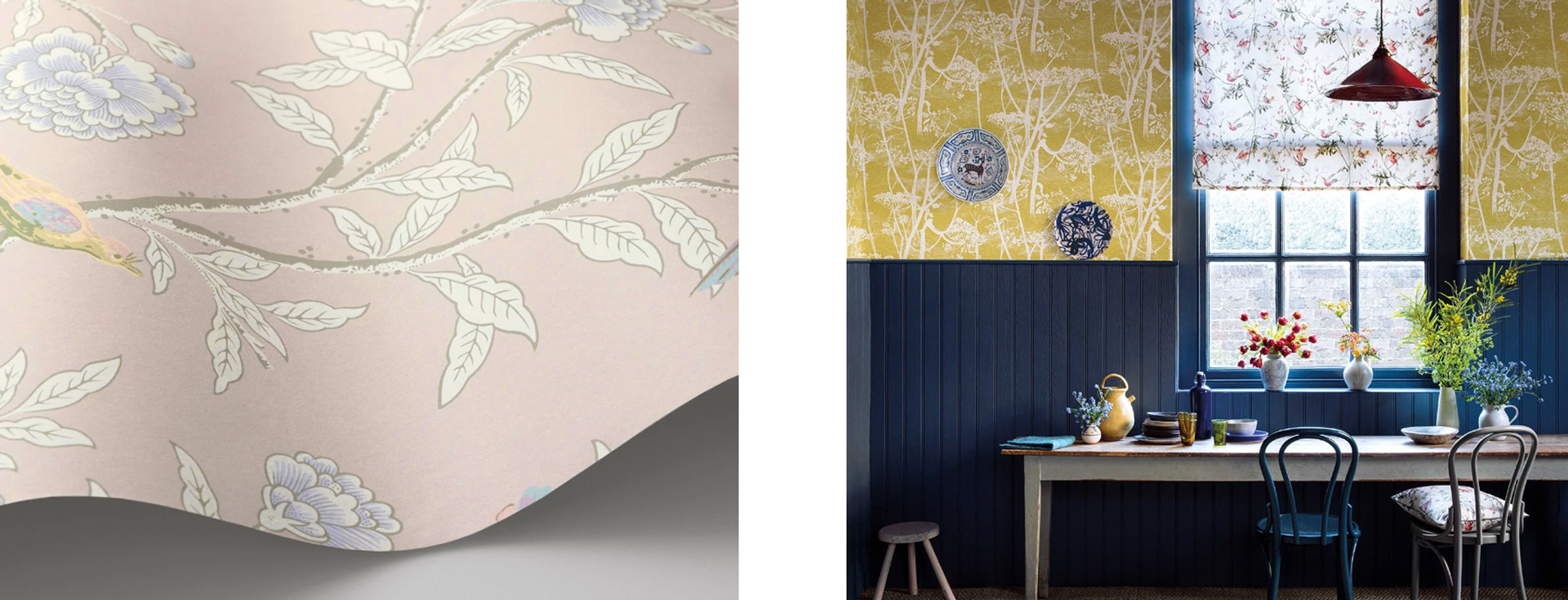
Photo credit: Cole & Sons
Note: These sources were found online; we have not tried or personally endorsed them. They are suggestions for exploration.