

Retail design trends 2026 is evolving rapidly. It is no longer just about aesthetics but about creating experiences that connect with shoppers, boost engagement, and optimize sales. At Pivot, we approach retail design holistically. Every concept begins with a deep understanding of the brand, its story, and shopper behavior. We study shopper marketing strategies to optimize sales baskets, using zoning, layout planning, and curated touchpoints to highlight high-grossing merchandise while enhancing the customer journey.
Our work spans the full spectrum from brand strategy and identity, to retail design fit-outs, and instore brand communications, allowing retail brands in Singapore to tell a cohesive story across all touchpoints.
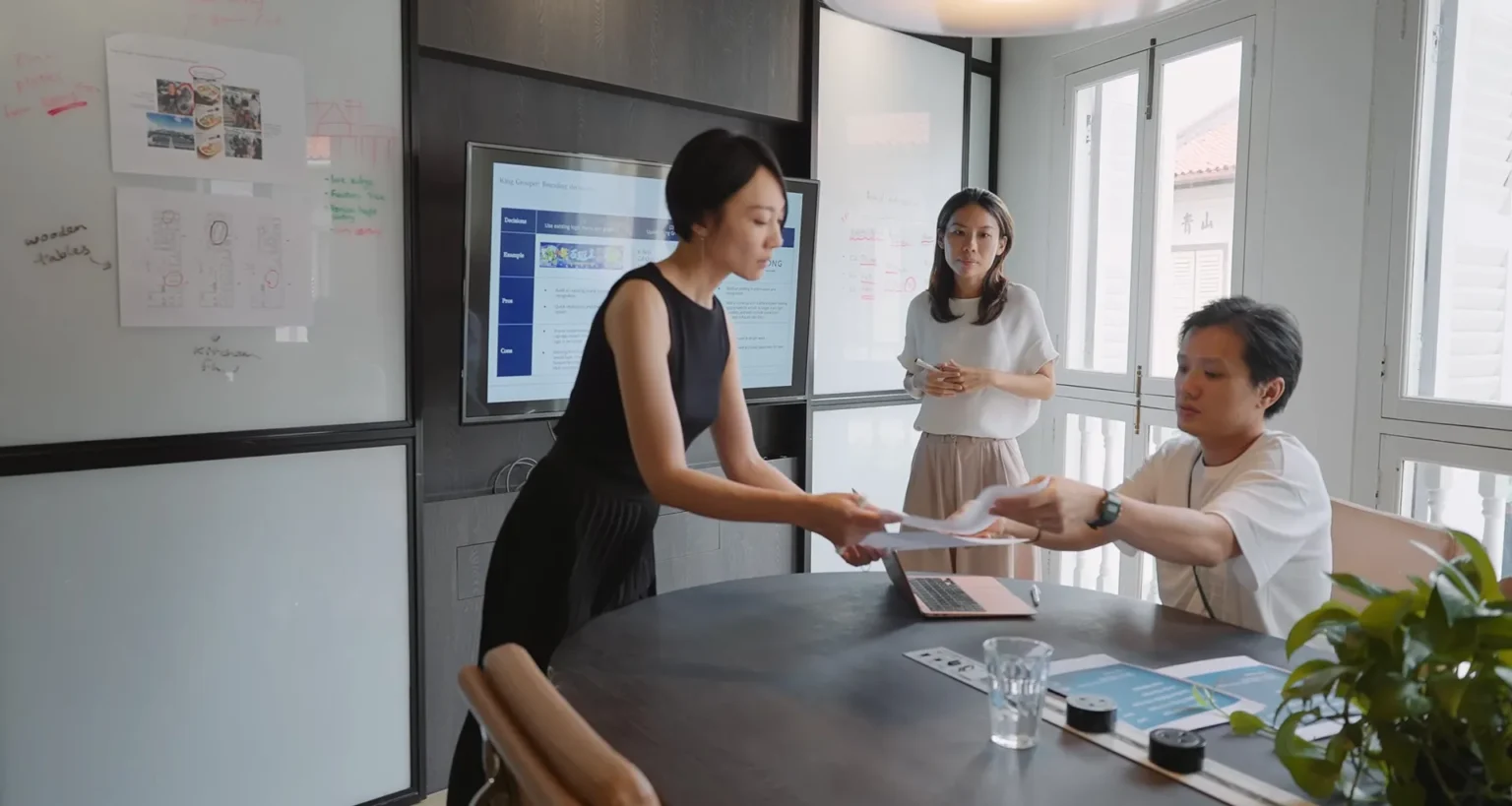
Every retail design concept starts with understanding the brand DNA. This involves:
From there, we zone the retail space strategically. Zoning is essential to maximise sales and improve the flow of customers. Prime spots are dedicated to high-margin products, while secondary areas support discovery and impulse purchases. Proper layout planning allows a store to balance efficiency, experience, and visual storytelling. Examples from our projects include:
King Grouper Fish Soup: We curated a kelong-inspired retail experience that reinforces the brand’s fish farm heritage, while the layout guides customers naturally through the merchandise.
Yen’s Grocer: We integrated signage, lighting, and display furniture to enhance the shopper journey and emphasise product storytelling.
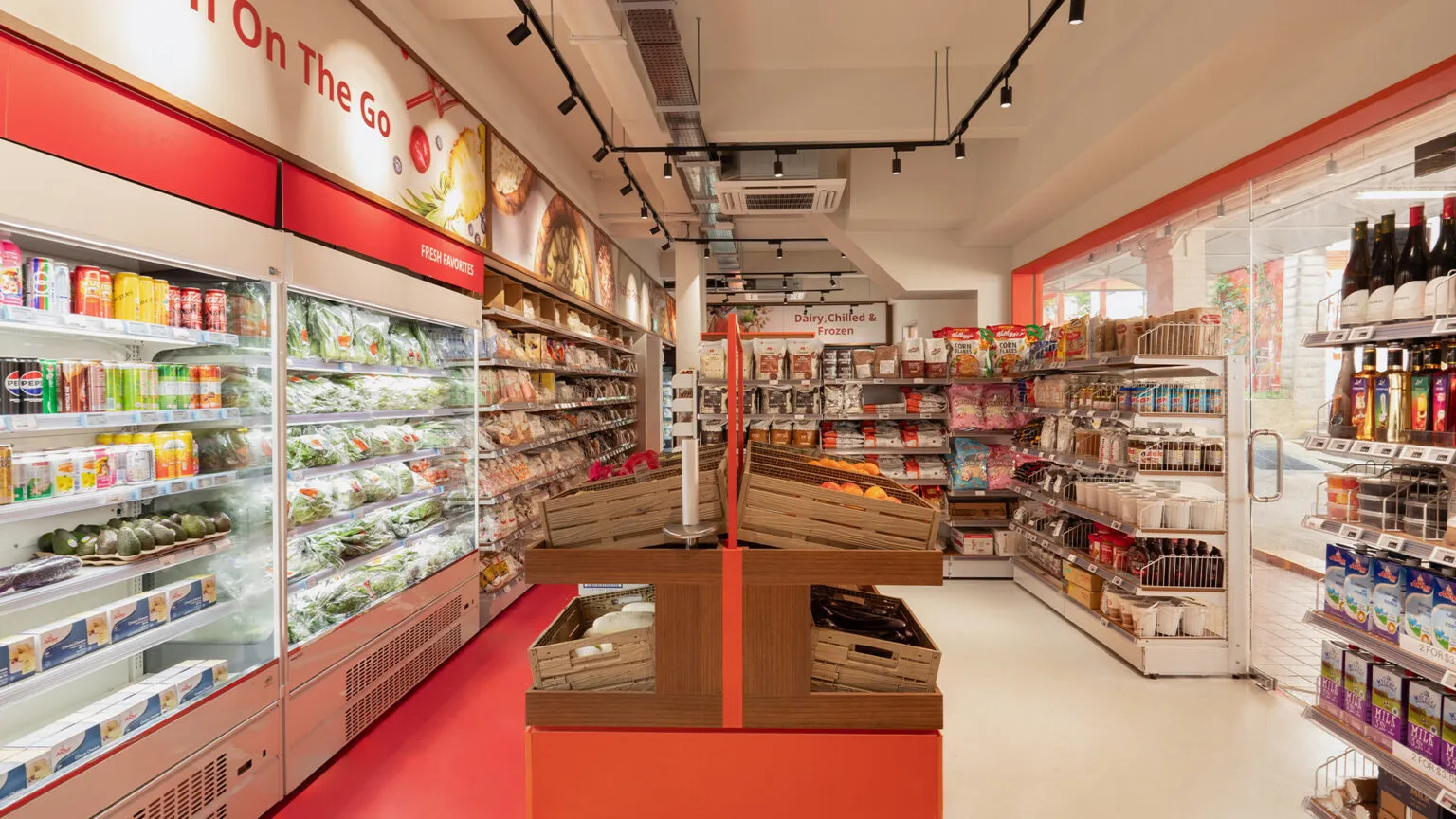
1. Experiential Retail
Consumers are looking for immersive experiences. Interactive displays, product sampling areas, and storytelling installations are essential for increasing engagement. Experiential elements encourage longer dwell times and repeat visits, making them critical for Singapore’s retail market.
2. Flexible Layouts and Modular Fixtures
Retail spaces need adaptability. Modular shelving, movable displays, and flexible counters allow retailers to refresh the store frequently and respond to seasonal campaigns or promotions.
3. Sustainable and Mindful Design
Eco-conscious materials, energy-efficient lighting, and low-waste displays are increasingly important to shoppers. Sustainability can also reinforce a brand’s values and position in the market.
4. Data-Driven Zoning
Optimizing sales requires a deep understanding of shopper flow and product performance. Retailers are using analytics to place high-grossing products in prime locations and design layouts that encourage exploration.
5. Personalization and Tech Integration
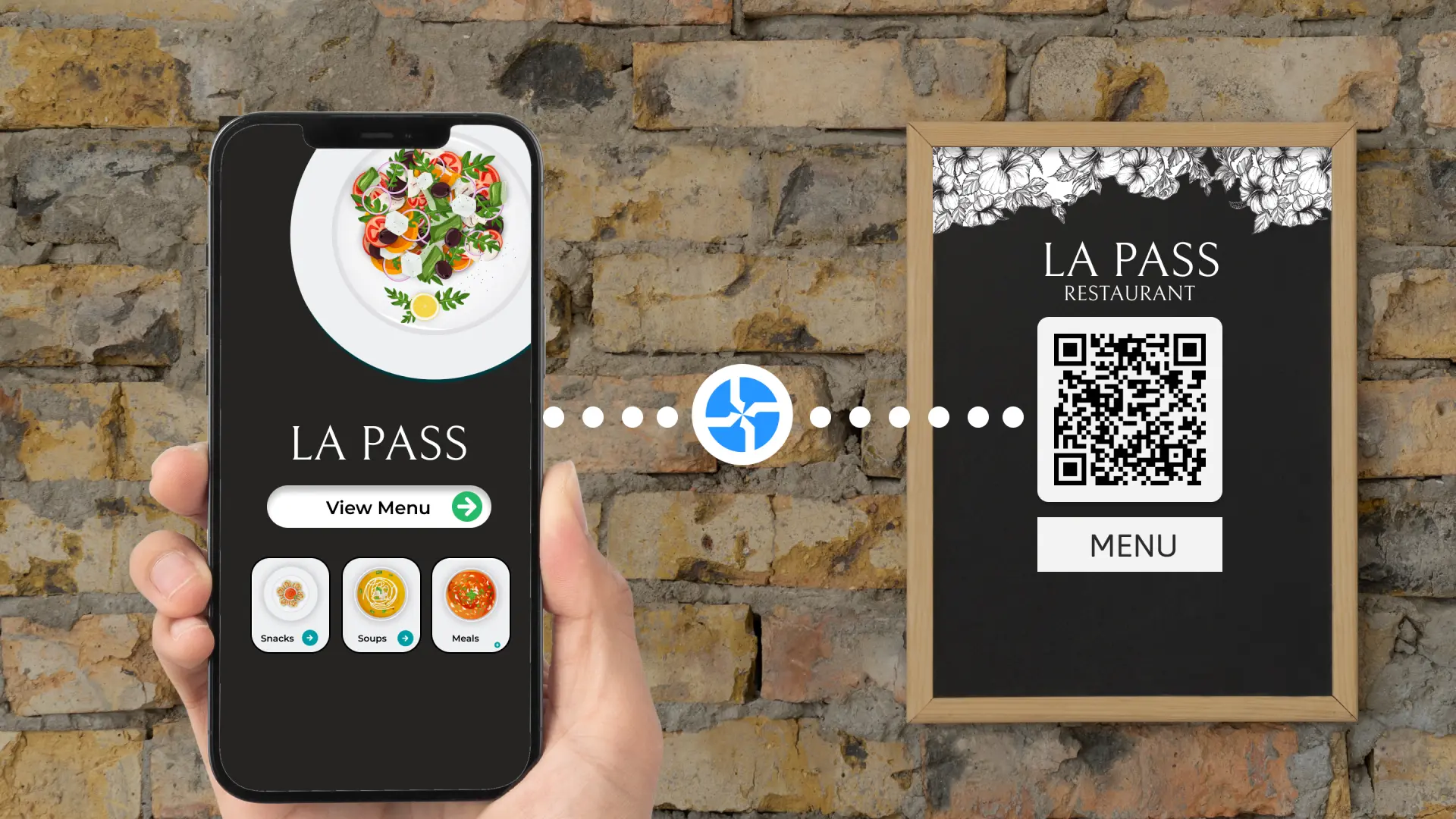
From QR codes and interactive screens to AR try-on solutions, digital integrations help brands connect with customers in meaningful ways. Personalized experiences increase loyalty and encourage higher spend per visit.
6. Light, Airy, and Open Spaces
Minimalist fixtures, natural light, and uncluttered layouts enhance focus on products and improve customer comfort. Even in Singapore’s compact retail spaces, careful planning can create a sense of spaciousness.
At Pivot, we combine strategic thinking, brand storytelling, and spatial planning to create retail spaces that work. By managing the full suite of services, we ensure consistency across branding, interior design, and instore communication.
We optimize the Singaporean retail context, balancing aesthetics, functionality, and business outcomes. From shopper flow to merchandising strategy, every decision is grounded in improving the retail experience and driving results.
In our projects, we integrate design elements with shopper psychology:
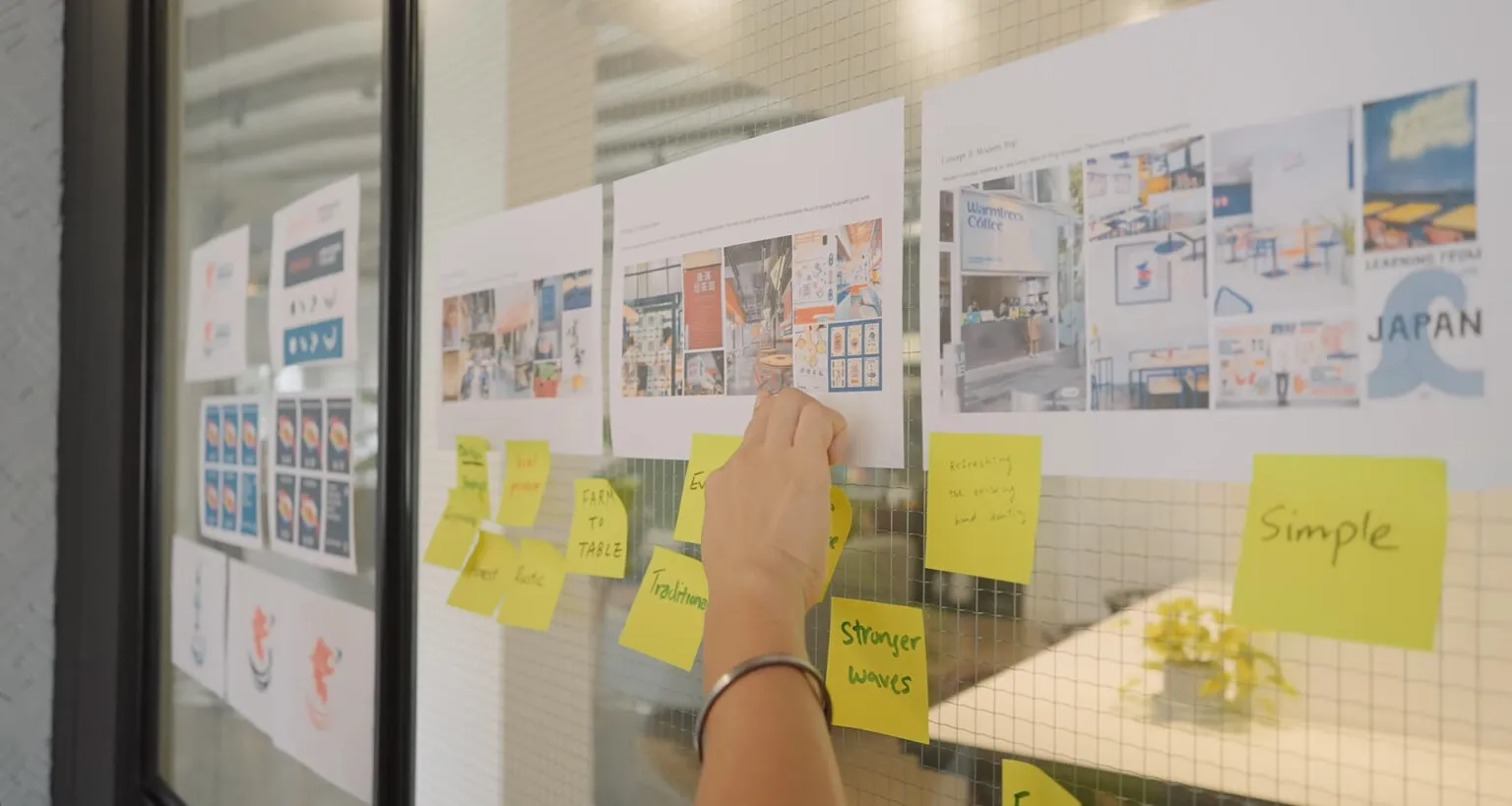
This approach ensures that a store is not just visually compelling but also commercially effective.
Retail design in 2026 is about balancing experience, brand storytelling, and business strategy. By combining brand insight, shopper marketing, and spatial planning, Singapore retail spaces can create memorable experiences that drive sales. At Pivot, we guide our clients from strategy to execution, ensuring that every design decision strengthens the brand and resonates with customers. Do check out our office renovation approval guide too.