

At the end of a commercial lease, most tenants are required to return the space to its original condition before handing it back to the landlord. This process is called commercial reinstatement.
Simply put, reinstatement means removing everything that was added during the tenancy. It could include partition walls, light fittings, furniture, flooring, signage, and even air-conditioning ducts. The goal is to restore the space to how it was when you first moved in.
Commercial Reinstatement sounds straightforward, but it can often be one of the most time-sensitive and overlooked parts of a renovation cycle.

Most commercial lease agreements in Singapore include a reinstatement clause. This ensures that the landlord can take back a space that is ready for the next tenant.
If the reinstatement is not completed properly or handed over on time, tenants may face penalties, forfeited deposits, or additional rent charges.
In our experience at Pivot, many business owners underestimate the amount of coordination reinstatement requires. It is not just about hacking and removing things. It is also about doing so safely, efficiently, and in line with building and landlord requirements.
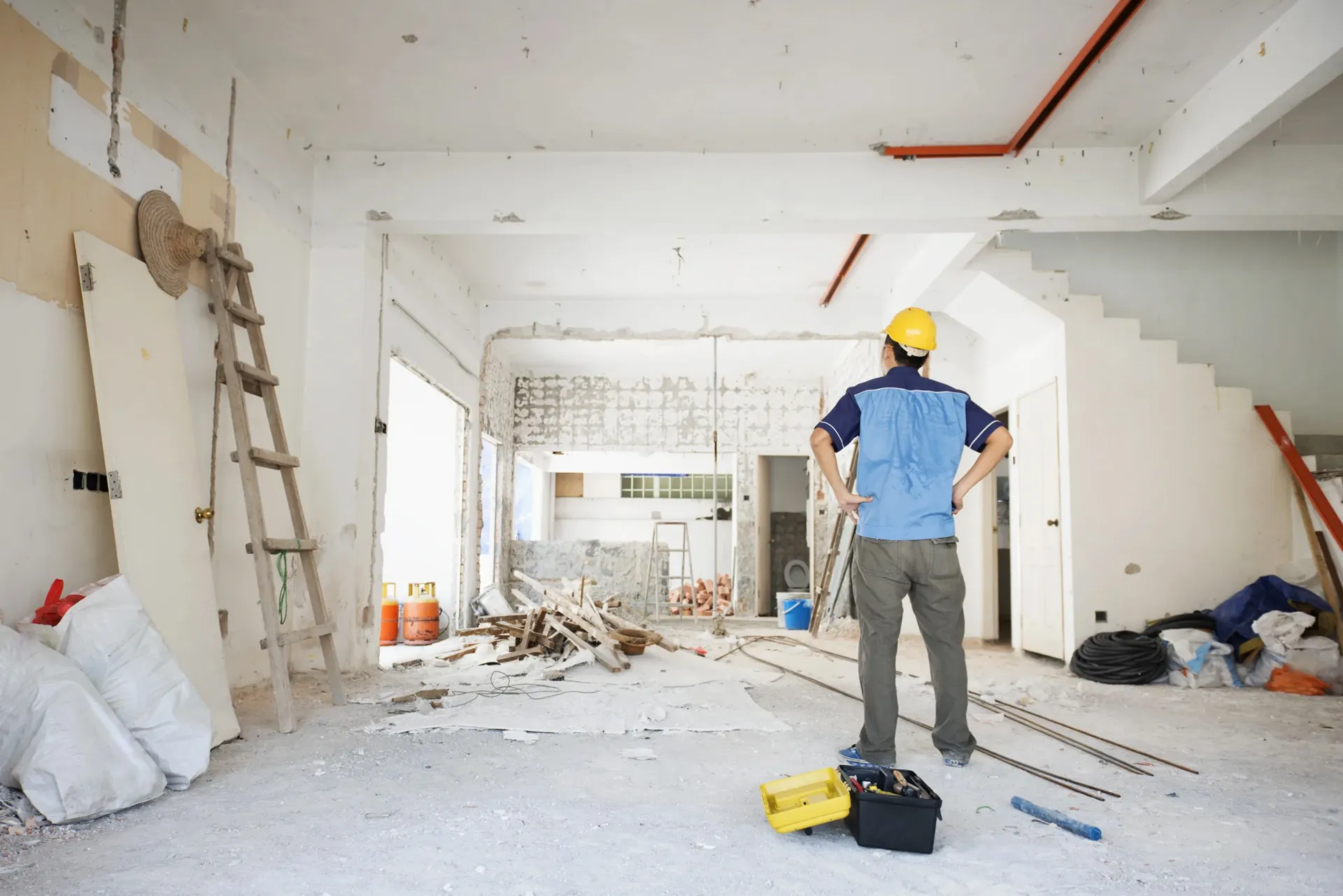
A typical reinstatement process includes:
The biggest mistake tenants make is leaving reinstatement to the last minute. It is best to start planning at least one to two months before the lease ends. This gives time to:

Planning early also makes it easier to combine reinstatement with your next renovation. We often help clients transition smoothly between closing one office and opening another. It saves time, reduces downtime, and avoids duplicated work.
The cost of reinstatement depends on the size and complexity of the space. Other factors include ceiling height, air-conditioning systems, and whether licensed works are required for sprinklers or exhaust systems.
From Our Experience, we have supported clients in reinstating offices, retail stores, and F&B spaces. Each comes with different challenges. Some need a tight turnaround between their last day of operations and handover. Others require safety compliance with BCA and FSSD requirements.
Reinstatement might seem like a technical process, but it also reflects the way a business closes one chapter. A smooth handover shows care, organization, and professionalism, which are values that matter just as much as design itself.
Commercial reinstatement is the final step before you move on to your next space. When planned early and managed well, it saves costs, avoids last-minute stress, and helps you maintain a good relationship with your landlord.
For us, reinstatement is not just about dismantling a space. It is about closing one story neatly so you can begin the next one with clarity.