
Singapore BTO Renovation 2026: What First-Time Homeowners Often Overlook (and How to Do It Wisely)

By: Lynette Lin
November 14, 2025

When you’re planning your first BTO renovation, it’s more than just picking tiles and paint. Renovating a BTO flat is a deeply personal and strategic journey, especially for young homeowners who may not yet know how their lives will evolve. At Pivot, we’ve worked with couples, families, and growing households, helping them find balance between budget, design, and future plans.

Here’s a deeper look at the key considerations, practical trade-offs, and lessons we’ve learned from our BTO and HDB work, drawing on real projects from our portfolio.
Plan for Family and Future Growth

One of the biggest blind spots for first-time BTO owners is family planning. Whether you intend to have children soon or later, it’s crucial to think about how many bedrooms you might need, how you want to use them, and how much flexibility you’ll want in your layout.

  • – For a young couple who plans to start a family, leaving one room as a flexible space helps you adapt later for a nursery or study.
  • – If kids are not on the immediate horizon, you might be more comfortable merging two smaller bedrooms into a larger master suite, or using one as a workspace.


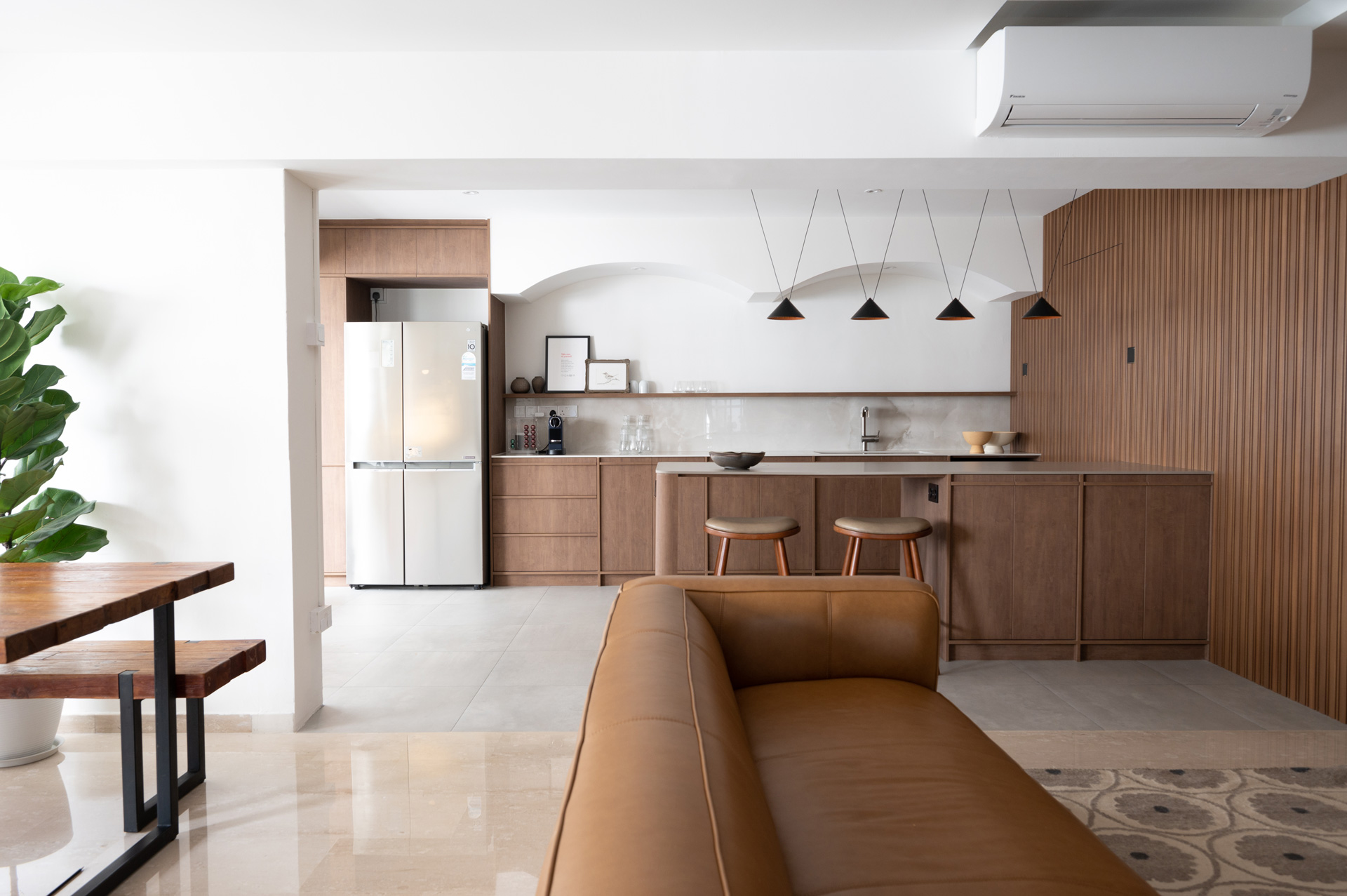
In our HDB project at Bukit Merah View, the family had more space to work with, allowing us to design zones for living, working, and play. The extra room gave them flexibility to grow, whether for children, pets, or a future home office.

Bare Unit vs HDB Finishing: Where to Put Your Budget

Deciding between a bare unit and HDB’s built-in finishing is a major crossroads:

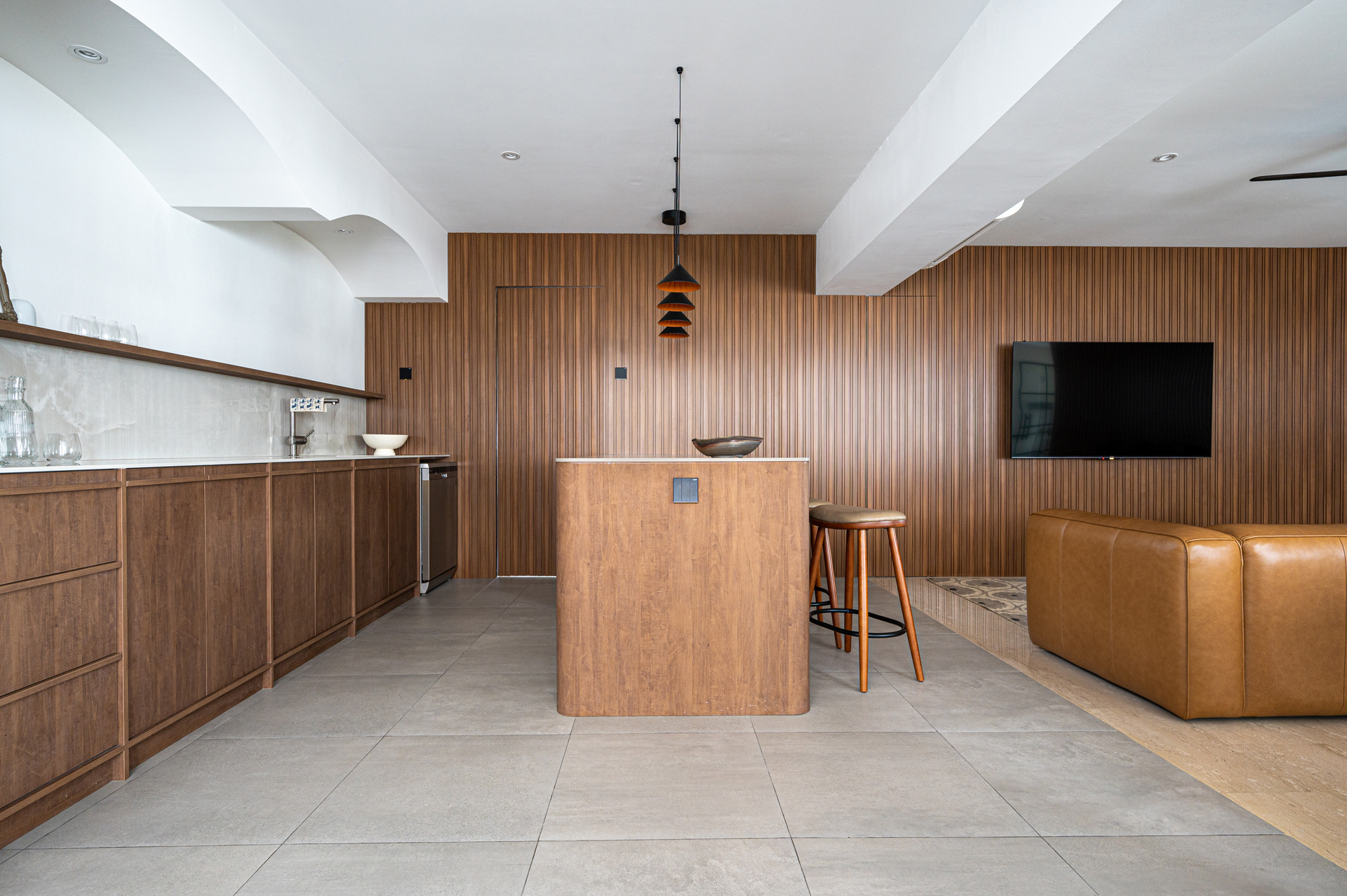
  • – Bare Unit: You get freedom to customize every detail, flooring, walls, carpentry, from scratch. This was the route taken by many of our clients. For instance in our project at Tanjong Pagar, we started with a very clean slate, letting the design reflect a mix of heritage and contemporary finishes.
  • – HDB Standard Finishing: This reduces upfront renovation cost, giving you basic floors, walls, and ceiling. You can then allocate more of your budget into smarter carpentry, furniture, or design that reflects your taste.


For budget-conscious couples, we often recommend a strategic hybrid: Use HDB finishing for the base shell, but invest in key areas like built-in storage, wardrobes, or kitchen cabinets.


Start Simple — Then Layer In

When you’re young or just getting started, it can be tempting to go full custom. But many couples don’t yet know what they truly will live with. That’s why we often encourage clients to begin simply, then layer in character and personalization:

  • – Use affordable furniture from Taobao or local online marketplaces for essentials like sofas, dining tables, and vanity sets.
  • – Once you’re settled, you can upgrade or replace pieces as your style evolves, without having sunk all your budget into expensive built-ins that you might want to change later.


In our or project at Sky Terrace @ Dawson, the client chose modular shelving and simple designs at first, and later added decorative elements in phases. This way, she could live in the space and understand how she actually uses it before investing heavily.

Leverage Project-Based Learning from Pivot’s Portfolio

We’ve learned a lot from past BTO/HDB transformations. Here are three examples:

  • – At Tanjong Pagar: We reimagined a space with a clean, heritage-inspired style, blending traditional motifs with minimalist living.
  • – At Tiong Bahru: This project emphasizes calm, soft textures, curated ceramics, and a layout that supports both relaxation and family life.
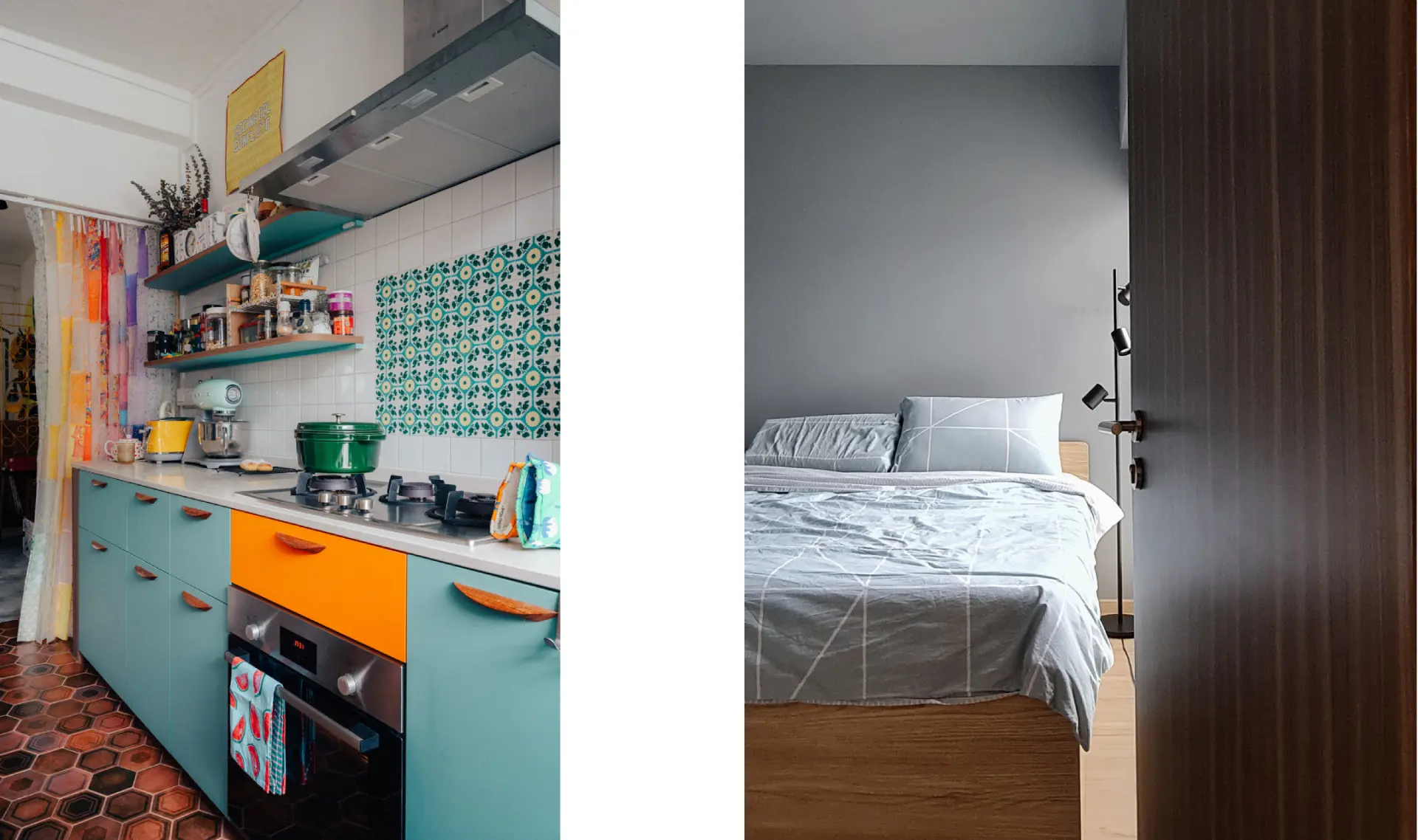
  • – At Belvia: A compact, efficient design that uses calming palettes and multifunctional furniture to maximize utility without clutter.


These homes show that BTO flats can be cozy, personal, and flexible at the same time. They are not just a jumping-off point, they can become deeply loved spaces.
Timeline & Realistic Process

A realistic BTO renovation timeline matters:

  • 1. Design Phase (1–2 months)
  • – Lifestyle mapping, layout sketching, material and furniture selection
  • – Involving both partners in visioning: how do you live today, and how might that change?
  • 2. Renovation (3–4 months)
  • – Demolition (if any), carpentry, M&E, finishing, and installation
  • – Regular check-ins with your design team to make sure things align


By allowing enough time for design decisions and construction, you avoid rushed choices that lead to compromises. In our experience, this also reduces stress and helps maintain quality.

Designing for the Life You Live, Not Just for Today

When you design your BTO, design for real life. Ask yourself:
  • – Do you entertain often? Then consider a dining or living layout that accommodates guests.
  • – Will you work from home? Plan for a quiet, ergonomic workspace.
  • – Are storage and utility priorities? Invest in built-ins or intelligently designed cabinetry.
  • – Do you want your home to age gracefully? Use finishes and materials that are durable, easy to maintain, and long lasting.


Final Thoughts: Your First Home Matters, But It Can Evolve

Your first HDB renovation doesn’t have to be a lifetime commitment. It’s OK to start with the basics, leave room for growth, and build in phases. Life changes, your tastes change, and your priorities change, a thoughtful renovation process recognizes all of that.

At Pivot, we support you not just as designers but as partners in your home journey. We help you make choices that feel right now, but also allow flexibility for what comes next.

Next Steps, If You’re Planning a BTO Renovation

  1. Sketch out your lifestyle goals (family, work, future)
  2. Decide between bare unit vs HDB finishing based on long-term use
  3. Set a realistic budget and timeline
  4. Test affordable furniture first, then layer in custom fitted pieces


Engage a trusted designer (like us 😉) to guide you through the choices and trade-offs