

Renovating an office can be exciting, but also overwhelming. There are budgets to manage, approvals to secure, and hundreds of small decisions to make before your new space comes together. Over the years at Pivot, we’ve helped many businesses—from creative studios to corporate offices—navigate this process smoothly.
Office renovation checklist Singapore is something we’ve refined through experience. It’s not just about ticking boxes, but about understanding the rhythm of an office renovation, so you can plan ahead and enjoy the process.
Every renovation should start with a clear “why.” Are you expanding the team? Rebranding? Wanting to attract younger talent or refresh company culture?
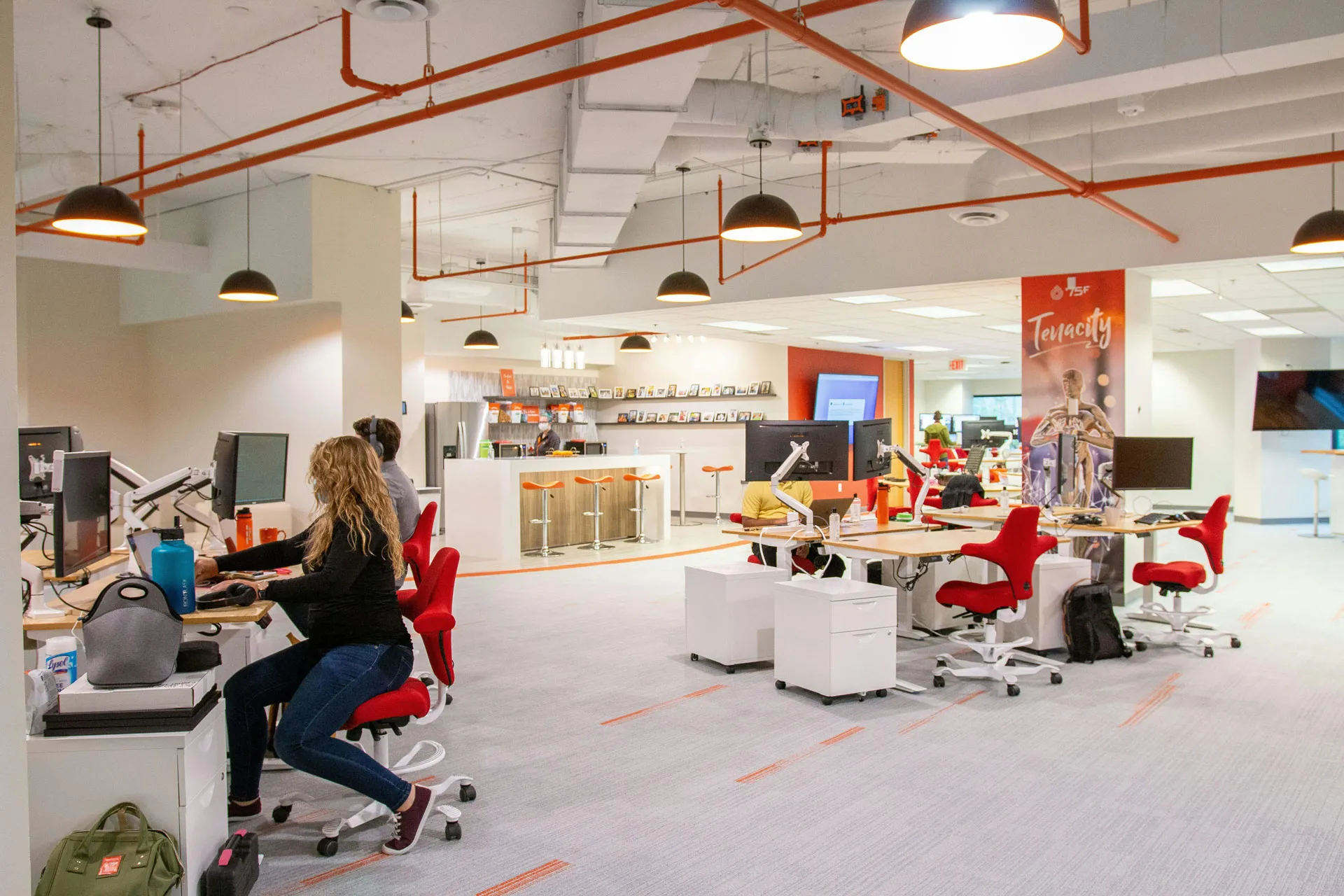
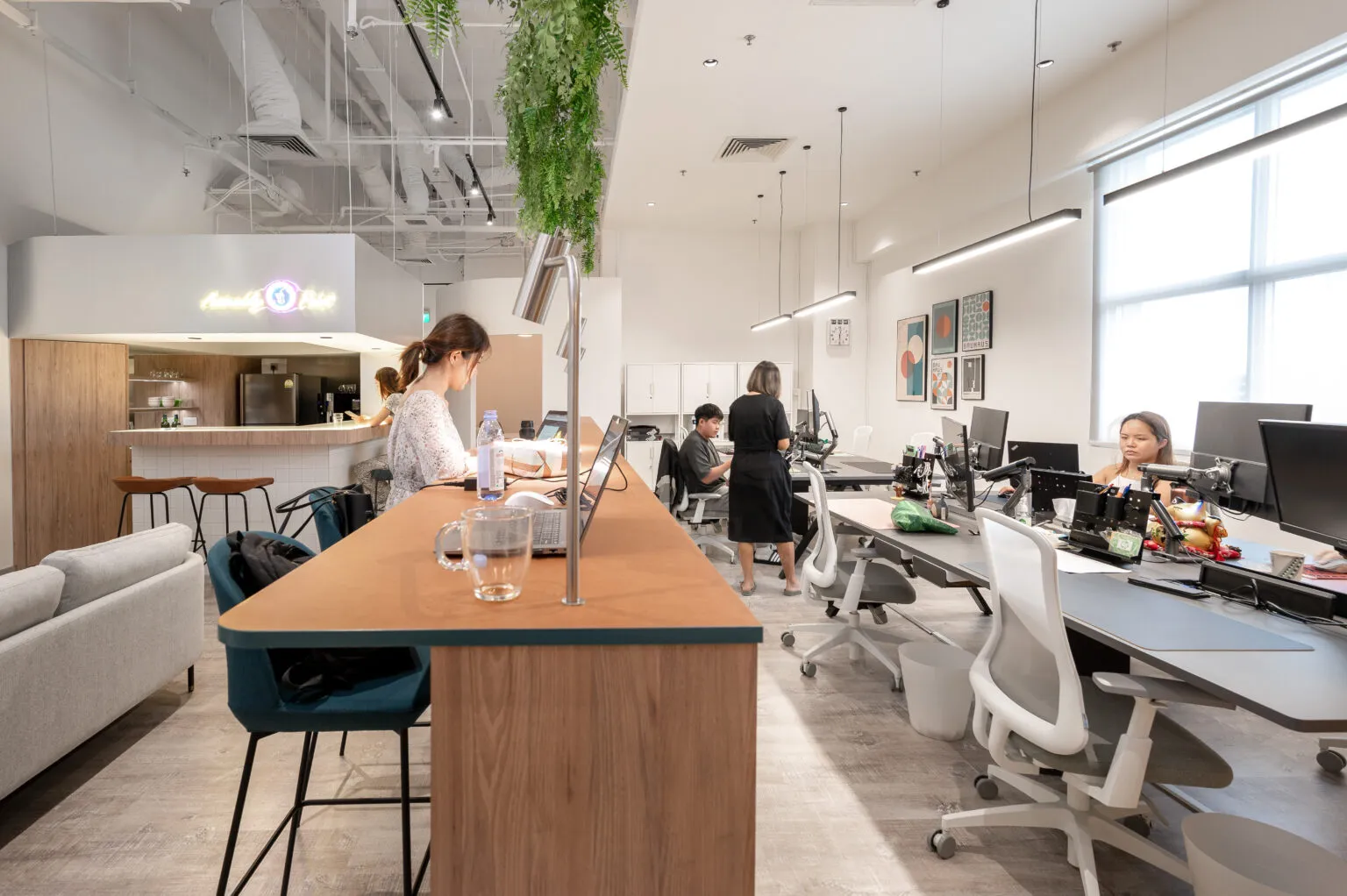 A bright, flexible workspace for Context Interactive that reflects their renewed creative direction and inspires a new generation of post-COVID creatives.
When we worked with Context Interactive, the goal was to build a space that reflected their new creative direction and attracted young, energetic employees post-COVID. Having this clarity early on guided every design decision—from layout planning to furniture selection.
Once your “why” is clear, your project team will be able to make decisions faster and with confidence.
Renovation costs in Singapore can vary depending on size, materials, and complexity. Always start by outlining your must-haves and good-to-haves. Typical office renovation costs include:
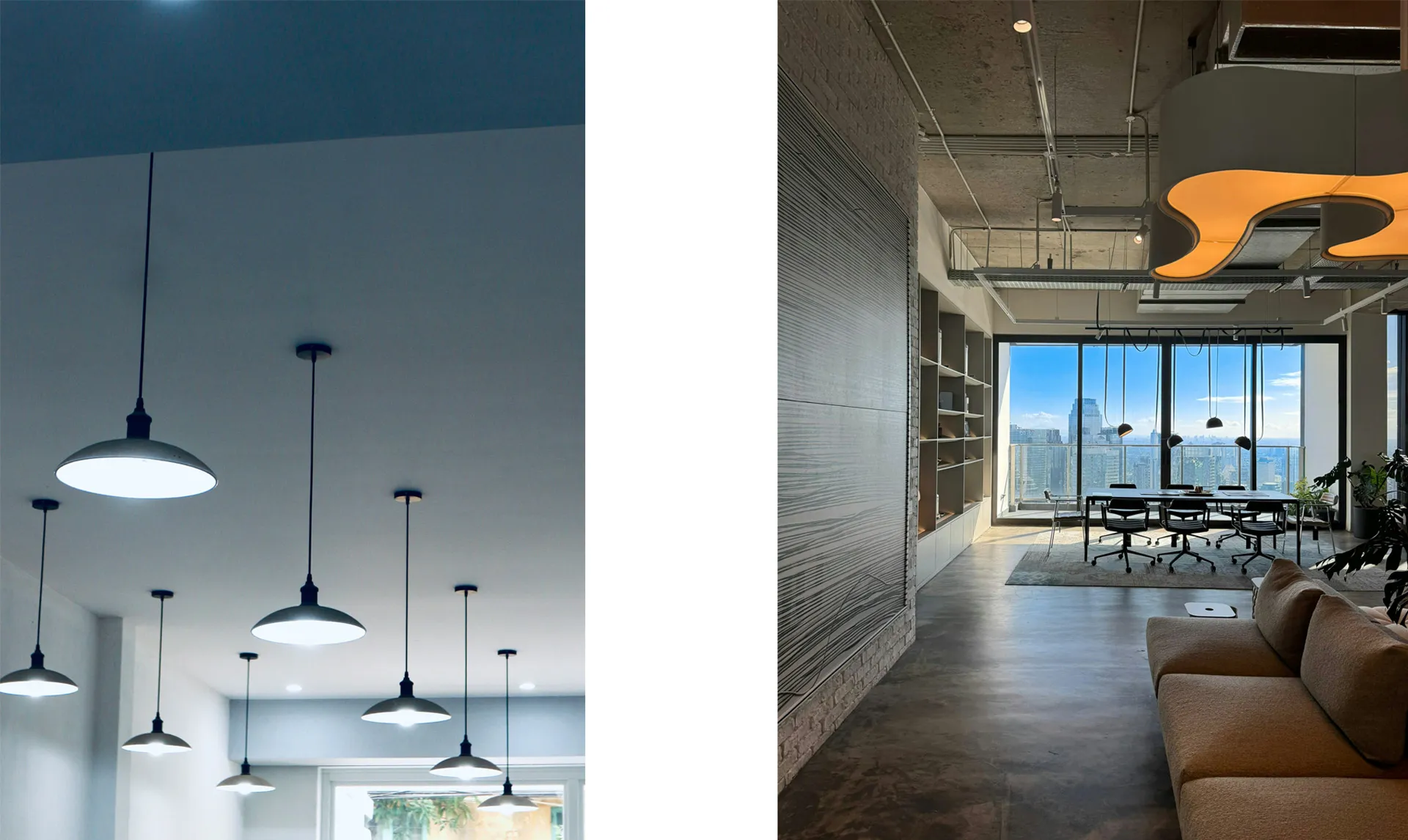
We always recommend setting aside 10–15% contingency for unexpected costs such as site conditions, additional electrical work, or last-minute furniture needs.
Office renovations typically take 6 to 10 weeks, depending on scope. Here’s a rough guide:
If you’re in a commercial building, remember that some landlords require pre-approval of your plans, which may take additional time. At Pivot, we often help clients prepare a clear timeline that factors in not only renovation work, but also lead times for furniture, deliveries, and reinstatement requirements.
Depending on the nature of your renovation, you may need to apply for approvals from relevant authorities or building management. Key approvals in Singapore include:
Your designer or renovation contractor usually handles these, but it’s good to know what’s required upfront to avoid delays.
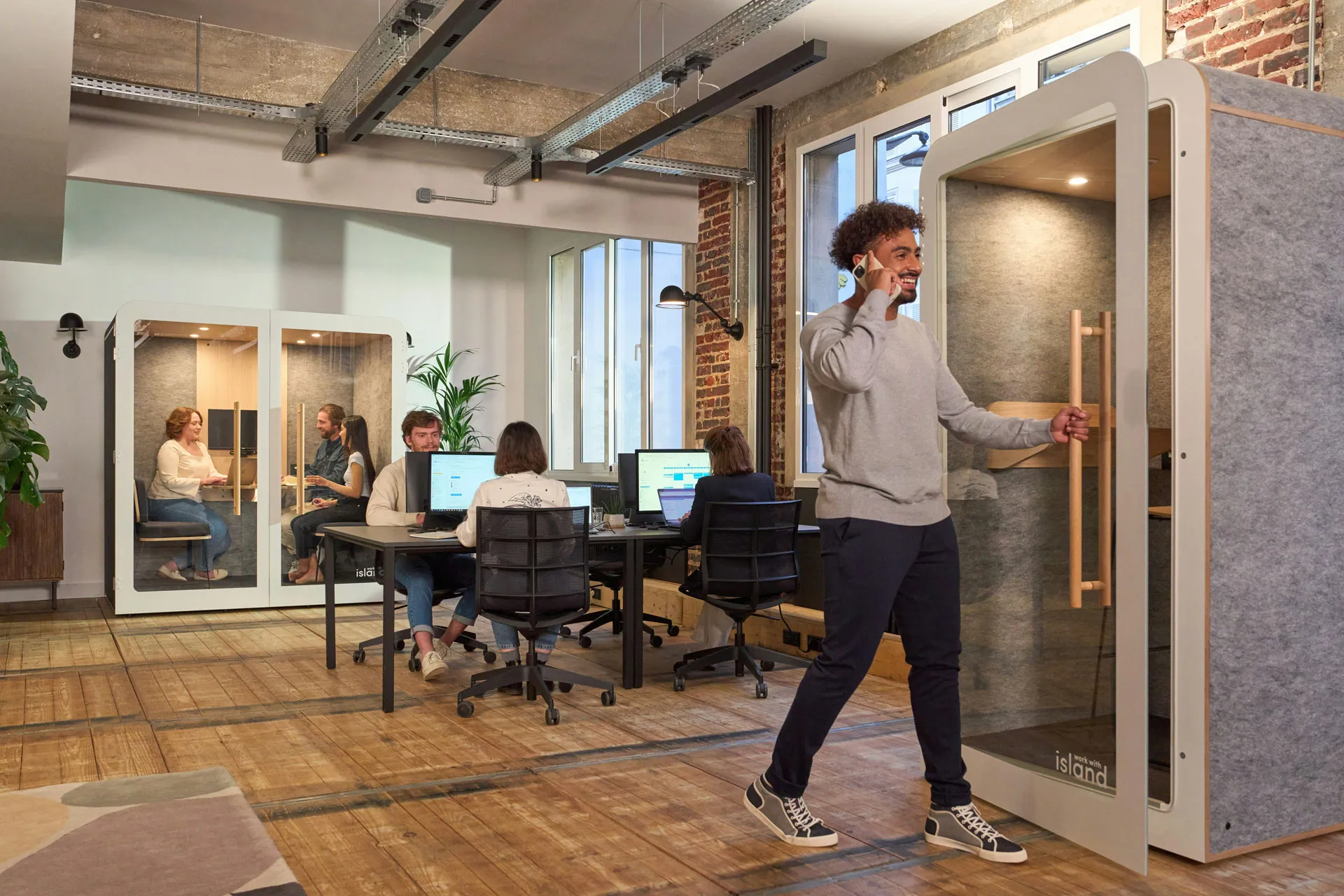
Think about how your staff will move through the space. Good office planning isn’t just about fitting in tables and chairs. It’s about how people collaborate, take calls, or have quiet time.
We often design offices with different pockets of spaces — open tables for group discussions, smaller pods for digital meetings, and lounge corners for informal chats. Paint, rugs, or soft lighting can help define these zones cost-effectively.
Also, consider the types of meetings you have. If your team produces digital content or podcasts, noise-insulated rooms will be a worthy investment.
Not everything has to be high-end. For companies on tighter budgets, we’ve seen great results from mixing affordable finds with statement pieces.
For instance, sourcing from Taobao for basic furniture can save cost, while investing in good task chairs, lighting, and key carpentry ensures durability and comfort.
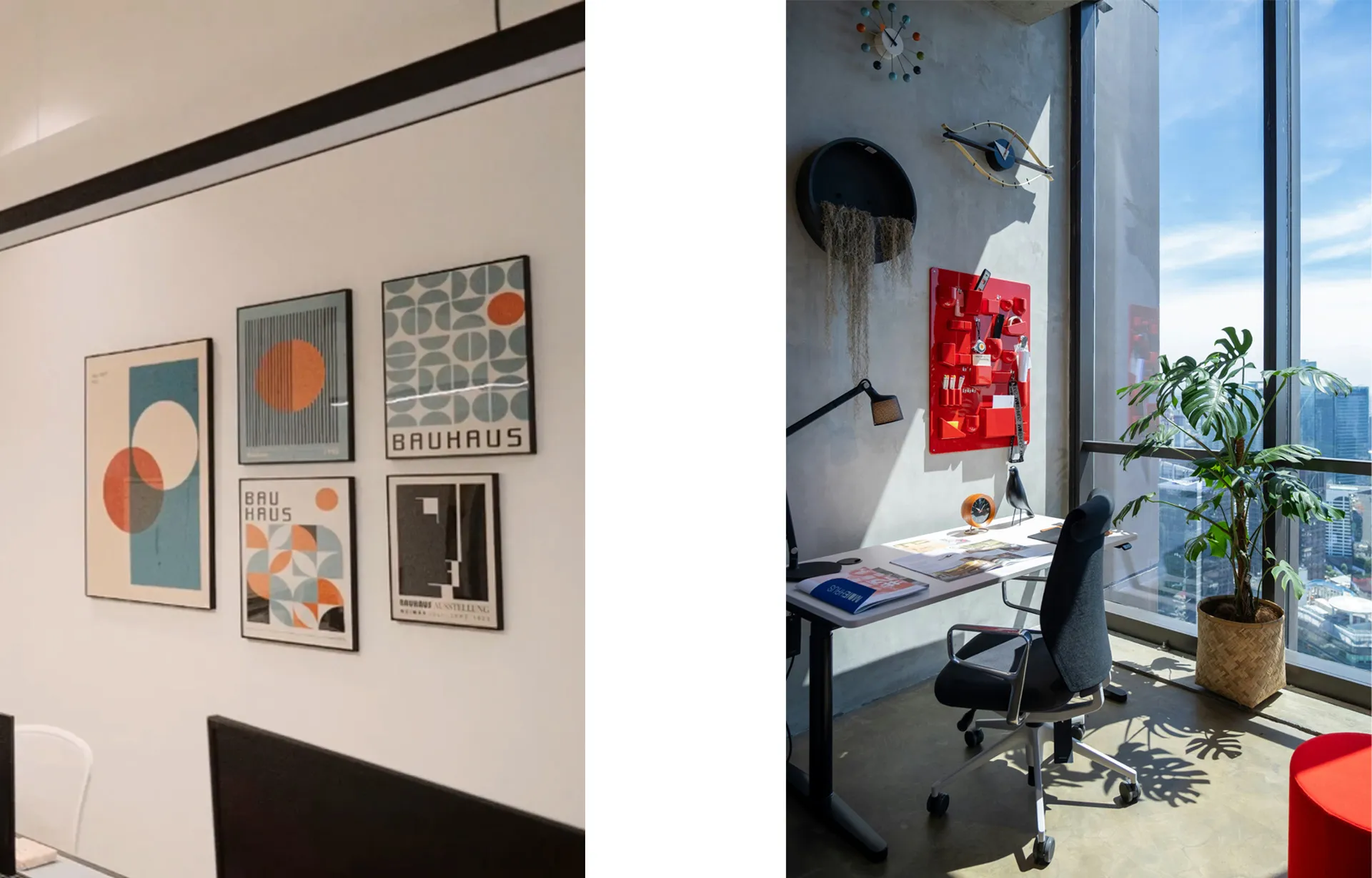
Small details like plants, rugs, and wall graphics go a long way in creating warmth. Paint is another cost-effective tool—it can instantly refresh a space or define a corner for focus or play.
Towards the end, your designer or contractor will conduct a site walkthrough to ensure everything is complete. This is also the time to test all lighting, power points, air-conditioning, and IT connections.
Plan for a few days of buffer between handover and move-in so your team can settle comfortably. Label furniture, plan your storage areas, and think about daily flow—where will people leave their bags, grab coffee, or take a call?
A good renovation is only the start. Over time, it’s the small touches and consistent upkeep that keep a space inspiring.
We’ve noticed that offices that invest in regular refreshes—like new plants, updated wall art, or flexible furniture—stay more energized. It’s about keeping the space aligned with how your business evolves.
An office renovation can feel daunting, but with thoughtful planning and clear intentions, it becomes an exciting journey of transformation.
At Pivot, our approach has always been to design spaces that work as hard as the people inside them. When your office supports your team’s rhythm, reflects your brand, and sparks connection, it stops being just a workspace—it becomes part of your culture.