

When planning a commercial renovation in Singapore, Workplace Safety and Health (WSH) renovation guidelines are a crucial consideration. These rules exist to protect workers, occupants, and visitors during construction, and to ensure that the finished space meets safe operating standards.
At Pivot, we approach WSH as an integral part of the design process. Safety is not an afterthought. It is embedded in how we plan layouts, schedule work, and coordinate with contractors.
Ensure the site is clearly demarcated, with safe access routes for workers and delivery personnel. Temporary barriers, signage, and protective coverings help prevent accidents.

Heavy or hazardous materials must be managed carefully. Workers should have proper training and equipment to handle lifts, cuts, or chemical-based finishes.
Power tools, temporary wiring, and mechanical installations must comply with WSH regulations. Circuit breakers, grounding, and clear instructions are essential.
Singapore renovations often involve high ceilings or multi-level spaces. Scaffolds, ladders, and platforms must meet safety standards, and workers should use harnesses where necessary.
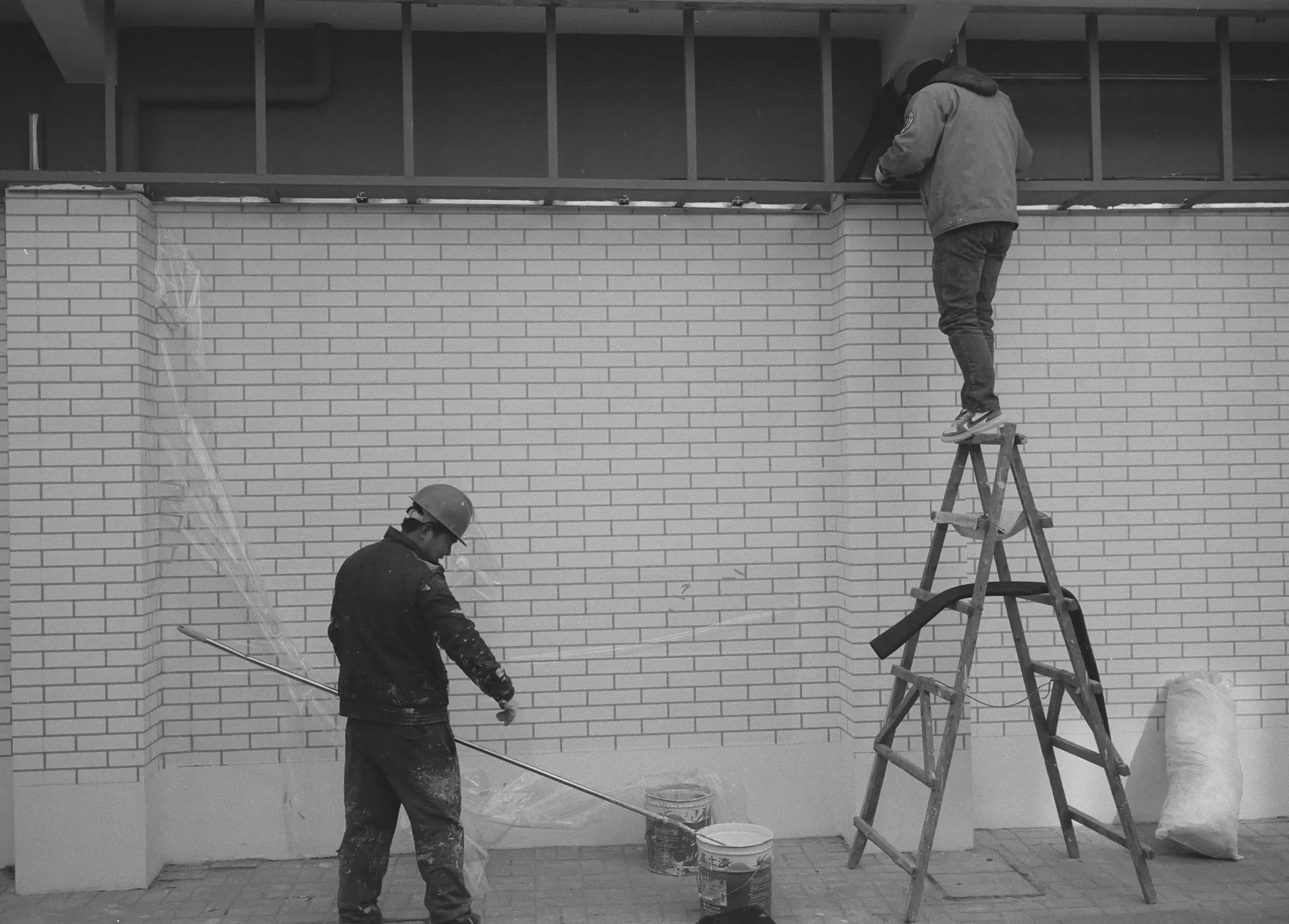
Construction debris should be disposed of safely and promptly. Segregating recyclable materials and ensuring clear pathways reduces trip hazards and keeps the site tidy.
Renovations can produce dust, fumes, or loud sounds. Proper ventilation, dust barriers, and hearing protection maintain a healthy environment for workers and neighbors.
Following WSH guidelines is about more than compliance. It is about creating a renovation process that is efficient, predictable, and low-stress. Sites that are organized and safe reduce delays, protect your investment, and foster positive relationships with contractors and staff.
We coordinate closely with contractors to implement safety zones, clear circulation routes, and scheduled noisy or hazardous work during off-hours. This allowed staff to continue working safely and minimized disruption while keeping the renovation on track.
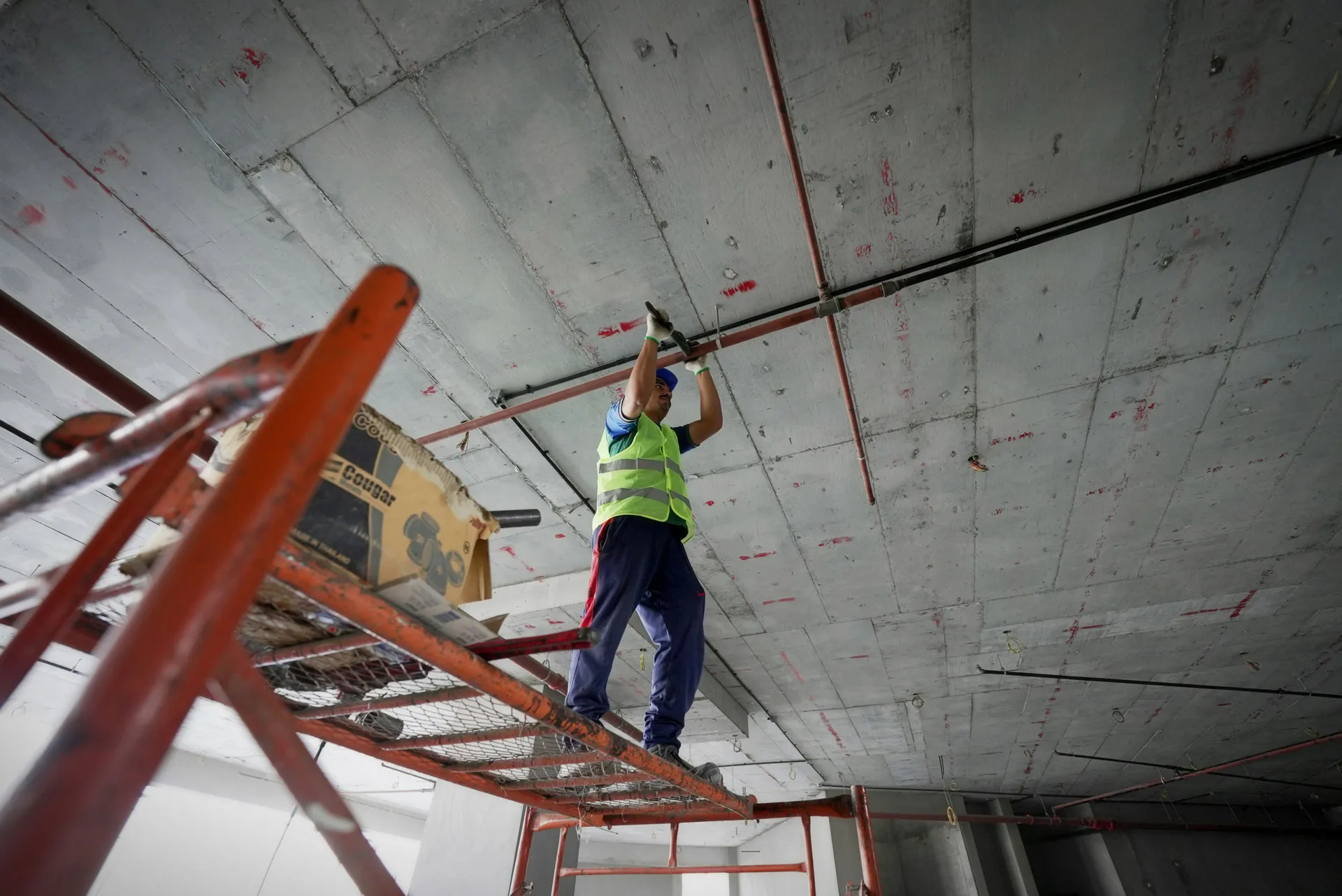
We see WSH guidelines as a foundation for thoughtful renovation planning. By integrating safety into every stage—from design, procurement, and construction—we ensure that spaces are not only visually compelling but also responsibly built.
Safety, functionality, and design work best when considered together. At Pivot, our goal is to create commercial spaces that look great, function well, and are safe for everyone who interacts with them.