

Even as we look ahead to office design trends 2026, some truths remain constant: an office still matters for culture, connection, and identity. At Pivot, we worked with Context Interactive during the COVID period—they wanted a space that would help attract young talent, support collaboration, and become a hub for their team to bond, not just somewhere to sit.
Here’s how we see trends evolving, grounded in real projects and what works in Singapore.
Workplaces in 2026 will be designed around people, not desks. Offices need zones for collaboration, quiet focus, and casual catch-ups. In the Context Interactive office, we balanced open spaces with intimate pockets for small-group discussions, giving employees choice in how they work and interact.
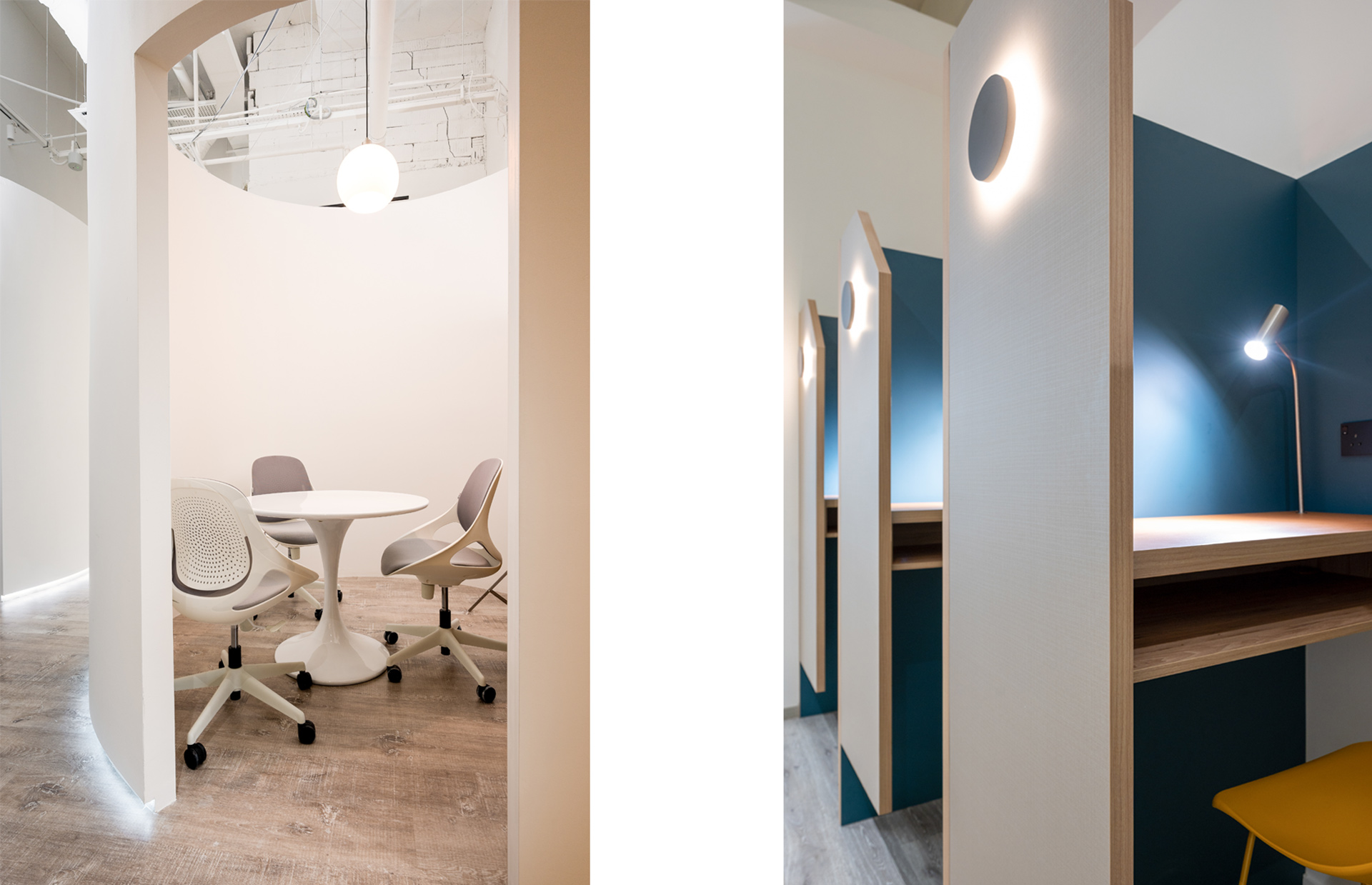
Hybrid work is now standard, which makes the office’s purpose more important than ever. It’s no longer just a place to sit; it’s a space to come together. We created flexible pods and technology-enabled rooms to support digital meetings while keeping collaborative spaces inviting.
Modular furniture and reconfigurable zones are essential. Offices need to evolve with changing team sizes and business models. In our projects, we used movable partitions and adaptable seating so spaces can shift without major renovations.
An office should reflect a brand’s story. At Context Interactive, finishes, textures, and layouts reinforced their values of openness, collaboration, and growth. Materials like natural wood, textured surfaces, and greenery subtly expressed these values while keeping sustainability in mind.
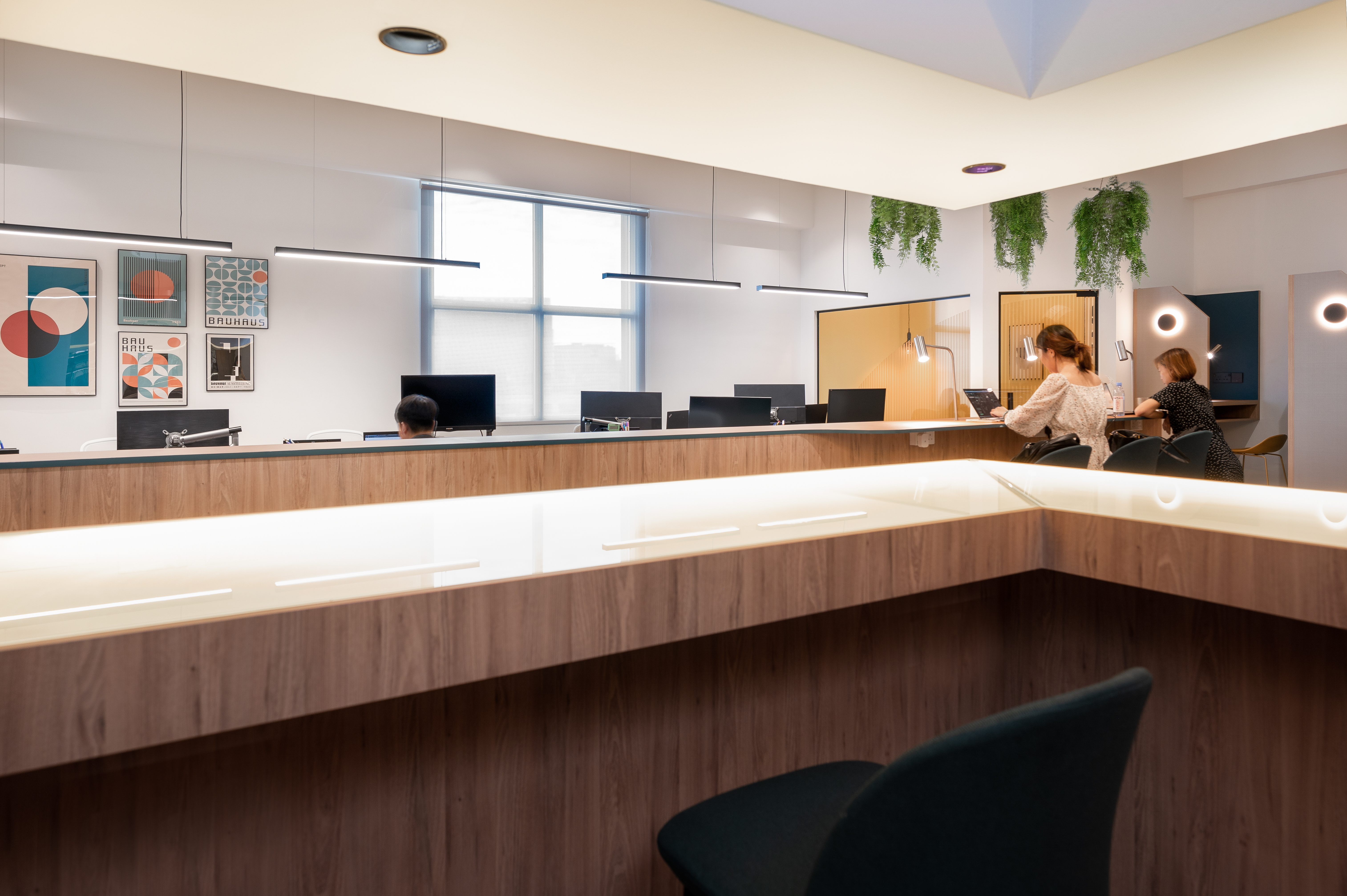
Bringing nature in remains a priority. Plant walls, natural light, and soft textures enhance well-being, reduce stress, and create a more inviting workplace. Thoughtful use of greenery can also improve air quality and acoustic comfort, making work more pleasant.
Technology should enable work without overwhelming the design. We embedded power outlets into furniture, incorporated acoustically treated pods, and planned AV infrastructure for hybrid meetings, keeping the tech functional yet unobtrusive.
For local businesses, the office is more than a workspace:
With Context Interactive, we demonstrated that thoughtful design, not a huge budget, can create a space that supports culture, brand, and growth.
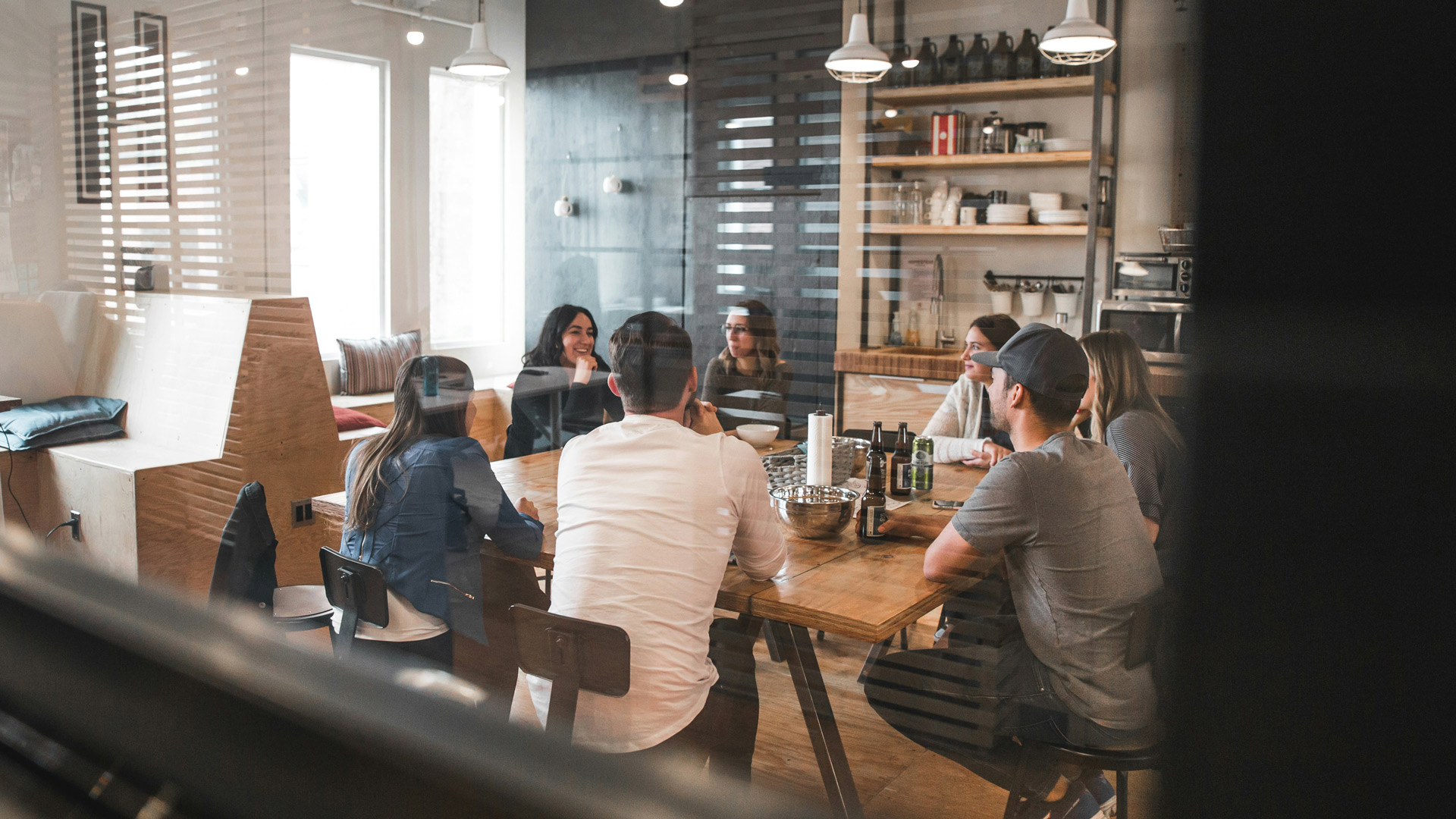
The office in 2026 is about connection, culture, and purpose. Trends are useful, but what matters is how your team, brand, and business goals come together in the space. At Pivot, we believe the best offices are those where people want to be, because the design supports how they work, interact, and thrive.