

Planning a commercial renovation and how to budget for a commercial renovation in Singapore involves more than picking finishes and furniture. Beyond aesthetics, there are significant costs behind the scenes that influence your budget. At Pivot, we often advise clients to approach budgeting thoughtfully, balancing design ambitions with practical realities.
Since Covid-19, renovation costs have increased considerably due to supply chain challenges, rising material prices, and labor shortages. Items that once seemed affordable, such as timber, tiles, or metal finishes, can now take a larger slice of your budget. It is essential to factor in market fluctuations and allow some buffer for unexpected costs.

One area clients often underestimate is Mechanical and Electrical (M&E) work. These drawings and installations are critical for compliance and functionality, yet they are largely invisible. Clients may not see the value, but without proper M&E planning, your design cannot be executed safely or efficiently. Allocating sufficient budget here ensures the project runs smoothly and meets regulatory requirements.

On the visible side, design and finishes will naturally vary depending on ambition, location, and brand positioning. For example, our work with King Grouper Fish Soup demonstrated that impactful branding does not always require a huge budget.
We collaborated with the client to creatively source inexpensive yet meaningful elements:
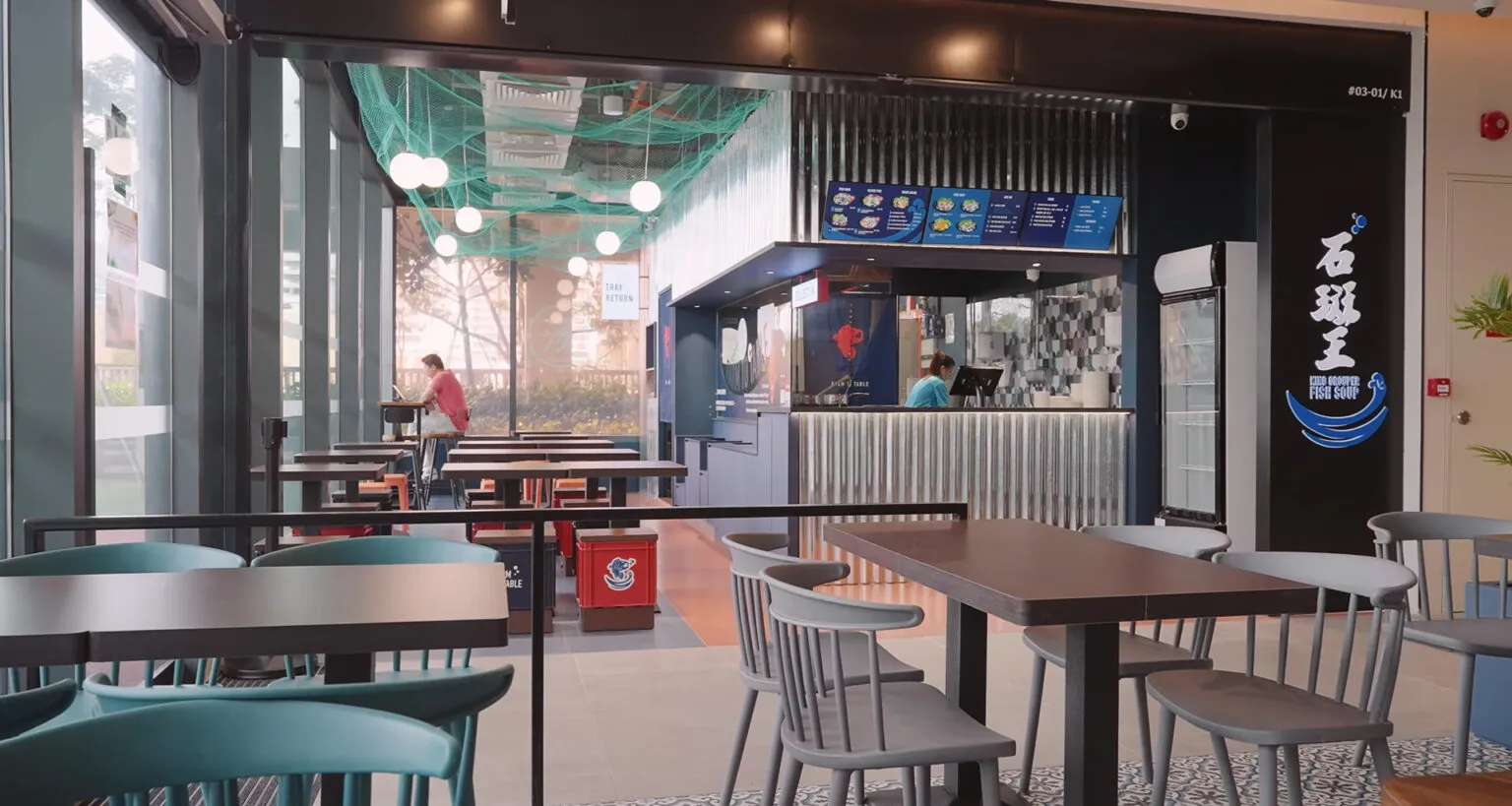
By focusing on strategic touches rather than expensive materials, we delivered a memorable space that aligned with the brand story while keeping costs in check.
While every project is unique, here’s a rough guide to what commercial renovations typically entail:
| Item | Percentage of Budget | Notes |
| M&E Drawings & Works | 20–30% | Includes electrical, plumbing, HVAC; critical for compliance and functionality |
| Structural Works | 10–15% | Walls, partitions, flooring, ceiling modifications |
| Furniture & Fixtures | 15–25% | Tables, chairs, counters, shelving; can mix high and low cost items |
| Finishes & Materials | 20–30% | Tiles, paint, laminates, joinery; can be cost-managed through selective sourcing |
| Contingency | 10–15% | Covers price increases, unforeseen work, or last-minute changes |
This breakdown helps clients visualize how costs are distributed and plan their budget realistically.

Budgeting for a commercial renovation is a balancing act between design ambition, operational needs, and regulatory requirements. By planning carefully, understanding hidden costs like M&E, and using creativity in finishes and furniture, you can achieve a space that is functional, on-brand, and cost-conscious. King Grouper shows that even small, budget-conscious touches can communicate a strong brand story effectively.